



mrsmackpaul
-
Posts
7,048 -
Joined
-
Last visited
-
Days Won
90
Content Type
Profiles
Forums
Gallery
Events
Blogs
BMT Wiki
Collections
Store
Posts posted by mrsmackpaul
-
-
And now that I'm looking, I have just noticed these are air start, there goes my "air start will be no good in the sub zero climate" theory
Vlad you need a air start Mack
A couple of photos and I'm loosung the plot 😂
Paul
-
I wonder if the intercooler bypass is for running not starting
There must be temp when the air is to cold and gets to cold to be efficient, we will never see this in Australia but places like Canada and parts of north America and Europe and Vlads part of the world and up into Siberia this would be a issue
I wonder if the 6x6 Macks Australia sent to Antarctica had the bypass ?
A few were for sale recently, should of bought one just find out, didnt know anything about this then
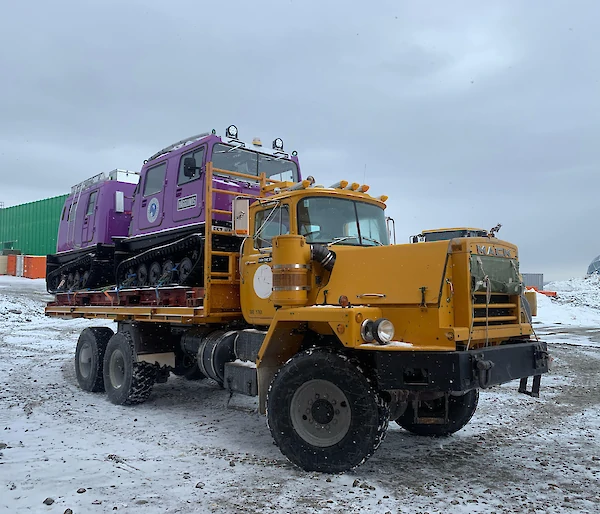
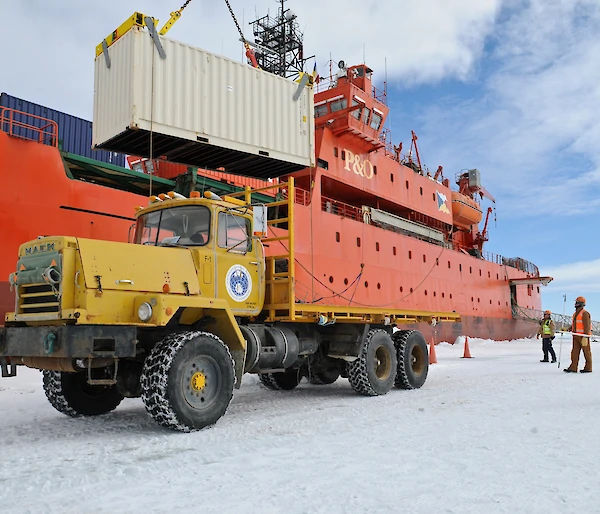
Sorry side tracked this thread, but the brain is running at 100 MPH now lol
Is there anywhere the R model hasnt been, they must be the most versatile truck ever built
Sorry I'll take myselfoff to the naughty corner lol
It doesn't look like these are coolpower trucks
Have never seen a chassis mounted intercooled Flinstone Mack
Paul
-
Wouldn't mind a update
Paul
-
- Popular Post
- Popular Post
We use a change over switch in Australia
This flicking breakers as you blokes are doing is illegal in Australia as it is fraught with danger if people dont fully understand what they are doing
A change over switch prevents this from happening
Linesmen and electricians have been killed in Australia numerous times by people accidentally feeding the grid
That been said I'm not casting any desperations or telling anyone what to do, just saying how it is out here
When I put change over switches in and a generator inlet I will only put lights and power on the generator
I leave one power outlet still hooked to the mains and if home owner plugs a radio in and leaves it turned on, when the power comes back on no matter if its in the middle of the night when everyone's asleep
The radio comes on and alerts everyone the powers back on
In some parts of Australia, like the tropics it isnt uncommon to loose power for a fortnight and most Australians have big deep freezers and it is always good to get the power going again for those to keep them frozen
Anyway enough waffle from me
Paul
-
 3
3
-
- Popular Post
- Popular Post
Yep, that about sums it up
It used to be really busy with all good jokes and laughter and heaps of people talking about trucks, new and old stories
But then some jokers thought they we're more important than the rest and forum revolved around them and the rot set in
I have seen it happen on another forum many years ago and that forum like this one has never returned to it's former glory
Sadly a lot of good people are lost when this happens, as I think they no longer want to be associated with such rubbish
It is left to a few desperados like pick up the pieces and carry on as best as we can
This is a lesson for all of us, we, as in all forum members (new amd old) are responsible for the forum and we all need to do our bit to keep it going and try our best to stop the rot from ever setting in
Paul
-
1
-
 1
1
-
 1
1
-
Yes it looks about right, there were different types and ones just like this
Paul
-
2
-
-
Bugger me, thats no good at all
It is funny how things hurry up unexpectedly as we mature, get well Tom
Paul
-
You have full draft and no position control working
Put it into full position control and see what happens
Paul
-
Draft control isnt set right
Paul
-
Brocky, that cab is highly modified 980 or 981 cab, a huge amount of work for a one piece wind screen
Dunno if it still exists, guessing it went in the scrap bin long ago
Paul
-
The Indian Listers, were called Metex for a while in Australia and then Field Marshall like the Pomy tractors, they were a good enough copy
They missed out on the CS (cold start) head and chrome bore so could be a bugger to start when they get a bit of age on them
A mate had them on his farm, I have only ever had CS Listers, singles and twins
I wonder how it goes with the drum (barrel) of water for cooling in places that get bellow freezing for long periods
They are surprisingly quiet for a big single cylinder diesel and I always felt the power rating was very conservitive
My mate put a flex plate and starter motor off a car on his Metex copies and apart from a blown head gasket gave many decades of good service
Paul
-
1
-
-
Well it's a fresh day so I flipped the lid and had a look to make sure I wasn't loosing the plot, after Christmas eve and Christmas day hangover anything is possible
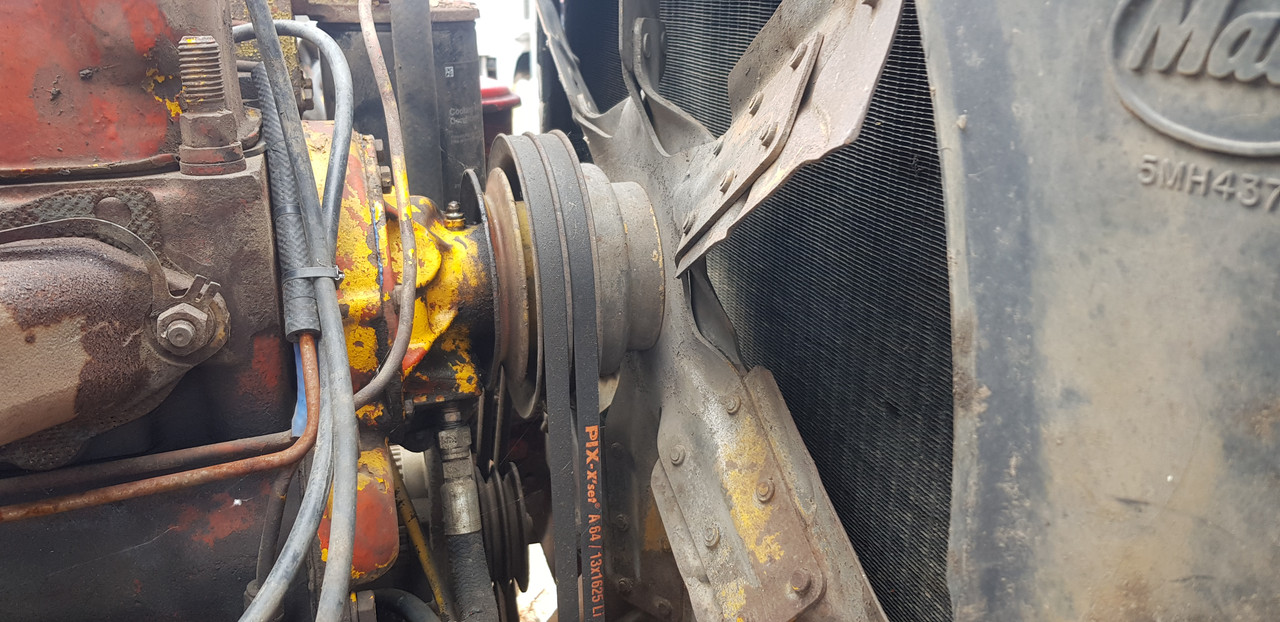
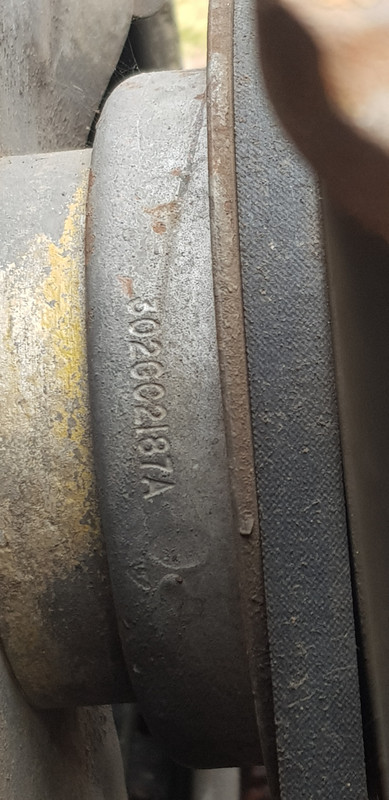
Now Im thinking that is just the hub or pulley number, so what fan and hub am I looking for to extract the extra few HP
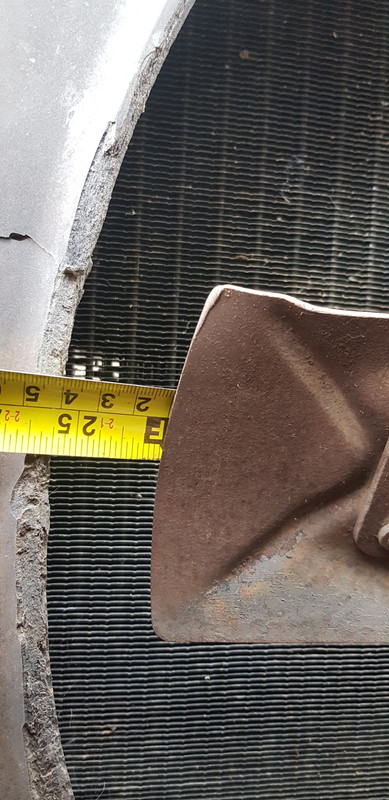
As you can see the fan is 24 inches, dunno if this is standard or they come in different sizes
So does anyone know what I need to make this all happen ?
Paul
-
On 12/30/2022 at 11:07 PM, mowerman said:
It’s a stick house
… Bob
What's a stick house, Im thinking 3 little pigs and a big bad wolf ??
Paul
-
 2
2
-
-
Well it's new years day here now, stinking hot again, up near 100 or more today
Was a good boy last night and made it to 11pm, woke up woth Miss Molly the gun shy border collie curled up on the floor beside the bed, she dont like them fire works at all
Anyway truck pics
These are photos of a much modified Diamond T in NewZealand
Now this is a hot rodded Diamond T 980 or 981
This truck was created by a bloke by the name of Bob Corden from Kerikeri Engineering from Northland NewZealnd in the 1970's
Is or was powered by a 250 Cummins, note the one piece windshield, custom guards, and everything else custom from front to back
Apparently the consensus is the headlights are from a Nissan Cedric
Now these arent my photos at all and must thank Hamish Petrie for these, some of you blokes will know of Hamish from Just Old Trucks Forum
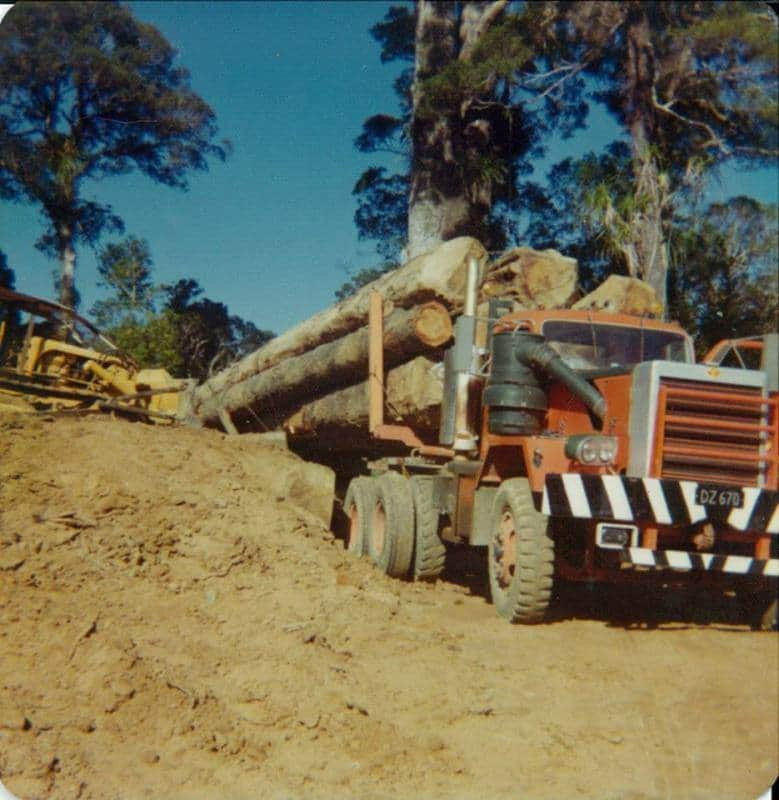
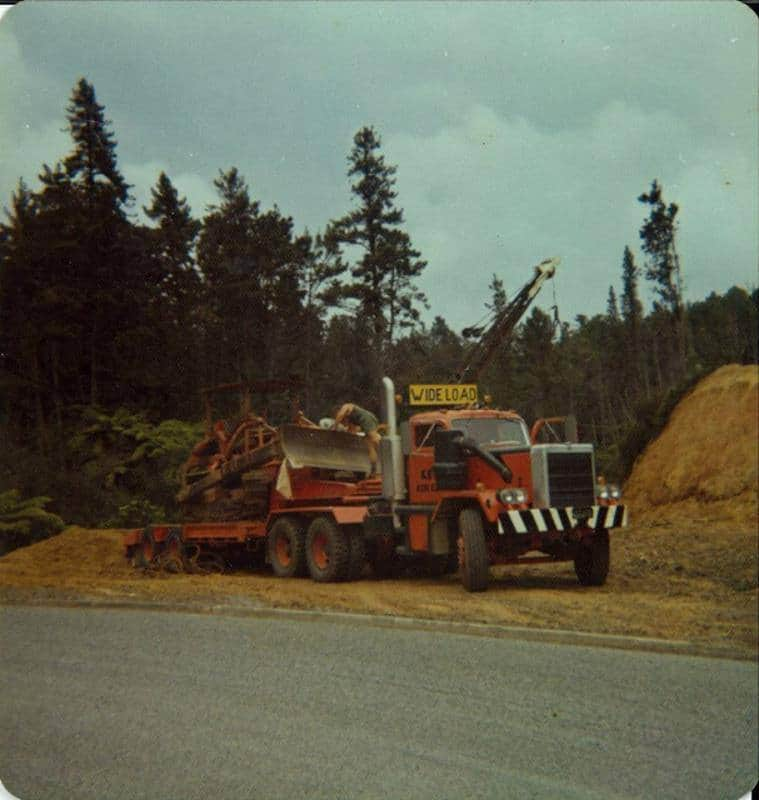

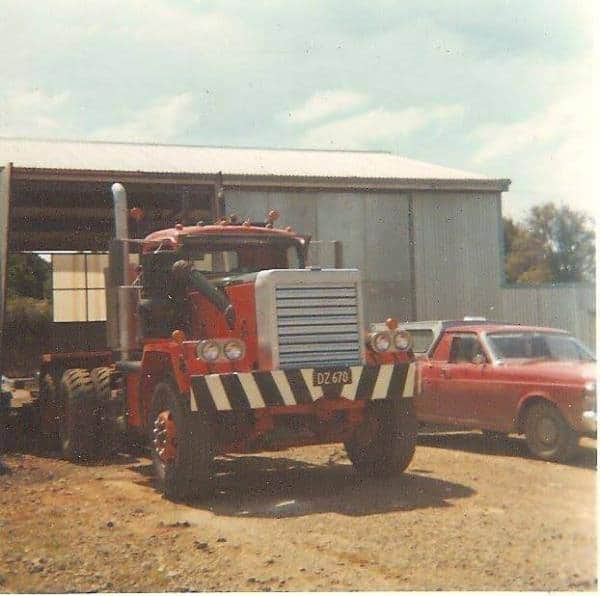
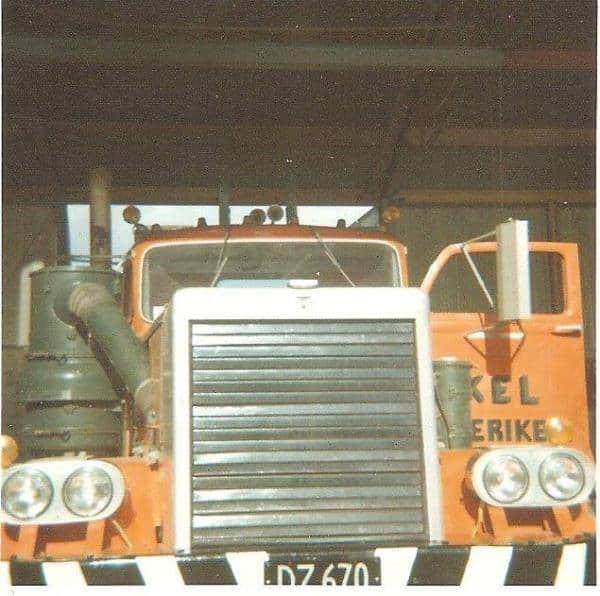
Anyway, hope everyone's heads aren't to sore in the new year
Paul
-
1
-
-
7 hours ago, MACKS said:
Not sure how much hp they eat up but the way the engine and the truck performs will amaze you,you’ll think your driving a different truck,do it if u can..
Im gunna look into this
Paul
-
On 12/30/2022 at 5:17 PM, Onyx610 said:
Being that they rob about 40hp, id believe they would make a nice engine brake. When that fan kicks on the front end drops down and feels like you dropped a cruise ship anchor behind you.
So do I understand that you get 40 hp more over a conventional fan with no clutch
My old bucket of bolts has never had a fan clutch from new, truck always runs cold, even when the air temp is well over 100 degrees on Im on full power all day
Im always up for more power without cranking up the injector pump
Paul
-
Sounds like a globe isnt in it's holder properly
-
4 hours ago, Mack milling said:
I have a Mack granite 2002 when the front left tire hits a bump it hits hard like I lost a tire in a pot hole. Air pressure is good feels like there’s nothing supporting it . Is that a front shock issue if so is it hard to change?
If in doubt about shockers, just change them as they are pretty cheap and they do make quite a difference on the front axle
Paul
-
Bugger me, thats to cold for me
-6 C is the coldest I have ever been, so thats plus 21f
And was to hard on my fingers, the Mack air start freezes up and I just hate it
Guess this makes me a bit soft 🥶
Paul
-
1
-
-
39 minutes ago, JoeH said:
You probably have a fuel return line leak. The plastic lines on top of the head that go from injector to injector are prone to leaking. Any dampness up at the injectors is likely caused by the plastic lines failing. Also if any of the hard metal fuel injector lines have dampness at the ends then you can lose prime and have hard starting.
Yep, what he said
Paul
-
1
-
-
Merry Christmas to all
Boxing day here now, Christmas day I woke as crook as a dog, apparently it had something to do with Christmas eve
A few berocca's and some cold and flue tablets and I was good to go, after a wee snooze
Spent the day eating way to much and floating about in a pool
My son came home for the first time in 18months, thank you COVID
Anyway it is good to see him and meet his lady friend
More food and fun today
Stay safe one and all
Paul
-
1
-
1
-
-
Yep, you to, I might go wrangly me a crazy pody with its head stuck in a bucket
should make for some fun
Paul

-
On 12/19/2022 at 4:28 AM, mowerman said:
Well, it looks like we’re not. The only nation does absolutely nothing for a regular working folks .. and Paul we didn’t realize you were a newspaper hero ha ha… Bob
I was on the radio a few times, wrote a lot of letters etc to state governments and used to have to stand and address this these government peanuts and local governments people's at public meetings
Even though they (governments at all levels, federal down to local) agreed it was there issue and they had to clean up the deer population and so on, to actually get them to do anything at all about any of this was whole different story
In the end I just refused to pay any taxes as the governments werent doing their job that by their own laws that they created meant they had to
They were quick to fine me but still to this day haven't sorted out this deer
Anyway I guess thats called "copping the rough end of the pineapple" 😆
Not to worry, life goes on and lessons were learnt
Paul
-
2
-
-
Correct, a few years ago now, a lot of deer in a little area can be a big problem
We sold the farm up there and as far as I know the deer are still a big issue and the local government have still done nothing
Anyway, not my problem anymore, yeah I know a prick of a attitude but after many years of fighting with the state government and getting the backing of them and the laws changed, then to just run up against the local government that refused to enforce the law
It all started with 6 deer been bought there illegally in the 70's
They have two pregnancies a year there as conditions are ideal with sugar cane farmers providing year round supplies
Paul
BMT Forum Logo

Shop Talk
in Odds and Ends
Posted
Yeah you can only advise some people
As my mother says, "can't reason with someone thats been unreasonable"
Not so many years ago we only switched the active in Australia but now change over switches must be double pole and switch the active and neutral
Paul