


kscarbel2
-
Posts
19,011 -
Joined
-
Days Won
114
Content Type
Profiles
Forums
Gallery
Events
Blogs
BMT Wiki
Collections
Store
Everything posted by kscarbel2
-
An Inside Look at How General Motors is Mass-Producing Masks https://www.gm.com/our-stories/commitment/face-masks-covid-production.html
-
Ford broadens medical production, using airbag material for medical gowns Nick Bunkley, Automotive News / April 13, 2020 DETROIT -- Ford Motor Co. is expanding its unexpected foray into medical-supply manufacturing to include production of respirators, face masks and reusable gowns made from airbag material. It also is helping to increase production of collection kits used to test patients for COVID-19. The automaker said it has started making face masks at a transmission plant in Sterling Heights, Mich., and will begin assembling respirators Tuesday near its Mustang plant in Flat Rock, Michigan. Ford initially will pay about 120 UAW-represented workers who have volunteered for the assignments and expects to add 50 more workers as production of the face masks increases. Ford also is working with airbag supplier Joyson Safety Systems to make reusable gowns for health care workers and helping Thermo Fisher Scientific increase production of COVID-19 test collection kits. Joyson expects to cut and sew 100,000 gowns a week starting next week, for a total of 1.3 million gowns by July 4. The gowns use a coated, nylon-based material normally used for Ford airbags that is well-suited for protecting health care workers from COVID-19. "This was really a great find, that we could take something we already knew how to produce and turn it into isolation gowns, and they are washable," Marcy Fisher, Ford's director of body exterior and interior engineering, said on a conference call Monday. The face masks will be for internal use at Ford facilities around the world, including plant workers after the company is able to resume vehicle production. Ford also is seeking certification for medical use. Ford said it expects to make at least 100,000 powered air-purifying respirators, which have a hood and face shield to cover medical professionals' head and shoulders. The company worked with 3M to design the respirators in less than four weeks. Ford and 3M plan to donate any profits from the respirators to charities related to COVID-19 treatment. Ford helped Thermo Fisher set up additional machinery that will triple production of collection kits starting April 20. Ford also has been making face shields for several weeks in Plymouth, Michigan. As of Monday, it has made more than 3 million of them.
-
Ford expects coronavirus shutdown to cause $600 million quarterly loss Reuters / April 13, 2020 Ford Motor Co said on Monday it expects to post a pre-tax loss of about $600 million for the first quarter as the coronavirus outbreak pummeled its sales and shuttered vehicle assembly plants, resulting in a 21% drop in vehicle sales to dealers versus the same quarter in 2019. The news sent Ford’s shares down more than 5% in morning trading. Only Ford’s joint ventures in China, where the COVID-19 pandemic has been receding, are currently producing vehicles. The automaker said it is working on a scenario for a phased restart of its manufacturing plants beginning in the second quarter. “However, we believe we have sufficient cash today to get us through at least the end of the third quarter with no incremental vehicle production and wholesales or financing actions,” Chief Financial Officer Tim Stone said in a statement. Asked whether Ford would apply for loans from the U.S. government or the Federal Reserve to sustain its operations for longer if needed, a spokesman for the automaker said that unlike during the Great Recession - when financing dried up - there is still plenty of liquidity in the capital markets. “We have a broad range of options” for obtaining additional financing if needed, the spokesman said. As of April 9, Ford said it had about $30 billion in cash on its balance sheet, including $15.4 billion it borrowed last month against two existing credit lines. Ford said any decisions on restarting its plants will be made “in cooperation with local unions, suppliers, dealers and other stakeholders.” In March, the company shuttered plants in North America and Europe due to the spreading pandemic. Earlier this month, the No. 2 U.S. automaker said its first-quarter U.S. sales had fallen 12.5% during the quarter. The U.S. market, with its highly profitable pickup truck and SUV segments, generates the overwhelming majority of Ford’s profits. Ford’s U.S. sales chief Mark LaNeve said on April 2 that Ford believes some level of government stimulus will be needed for American consumers once the COVID-19 pandemic recedes. Ford said it expects its first-quarter adjusted loss before interest and taxes to be about $600 million, compared with a profit of $2.4 billion a year ago. The company said it expects to report revenue of about $34 billion for the quarter. In morning trade, Ford shares were down 30 cents, or 5.6%, at $5.09.
-
Ford Hints at Raising More Cash After Burning Through Billions Keith Naughton, Bloomberg / April 13, 2020 Ford Motor Co. is considering additional financing actions as a global pandemic heaps more pressure onto earnings that already were slumping before the coronavirus forced plant and showroom closures around the globe. The carmaker said Monday it’s expecting to report a loss later this month and that it had roughly $30 billion in cash on its balance sheet as of April 9. The comments suggest the company has used about $8 billion since the end of last year, Joel Levington a Bloomberg Intelligence credit analyst, wrote in a report. CEO Jim Hackett already has suspended the dividend prized by Ford’s founding family and drew $15.4 billion from two credit lines last month to help weather months of uncertainty over when it can resume manufacturing and selling vehicles. The automaker may now stockpile even more cash to get through the crisis. “We continue to opportunistically assess all funding options to further strengthen our balance sheet and increase liquidity to optimize our financial flexibility,” Tim Stone, Ford’s chief financial officer, said in a statement. “We also are identifying additional operating actions to enhance our cash position.” Ford shares fell as much as 6.1% to $5.04 in intraday trading. The stock is down about 45% this year, trailing General Motors Co.’s 37% decline. One way Ford could boost funding is by tapping the U.S. asset-backed securities market, said Levington, the BI analyst. While a new primary deal hasn’t priced since March 11, activity may restart this week based on recent filings from other issuers. The return of the Federal Reserve’s Term Asset Backed Securities Loan Facility should aid in a revival, but it’s unclear when the program will be operational. Ford said it believes it has sufficient cash now to last through at least the third quarter, even if it doesn’t resume production or take additional financing actions. The carmaker is building up its cash pile at a less opportune time than it did before the last global financial crisis. In 2006, before the mortgage market collapsed and lending dried up, Ford lined up $23 billion in loans that allowed it to avoid the bankruptcies and bailouts that befell its crosstown rivals GM and Chrysler. As collateral to obtain the loans, the automaker put up all its assets, including the Ford brand name. Ford expects its first quarter adjusted loss to be about $600 million before interest and taxes, the company said about two weeks before it’s scheduled the release of earnings. The $34 billion revenue Ford anticipates for the period would be down about 16% from a year ago.
-
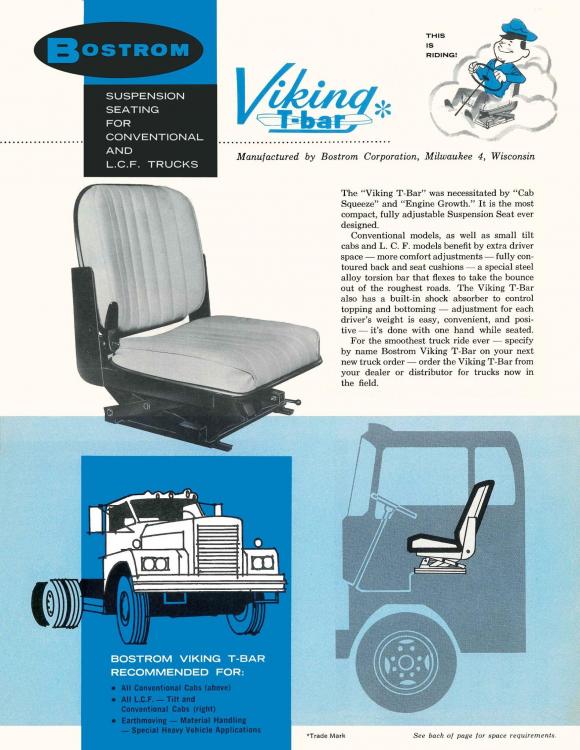
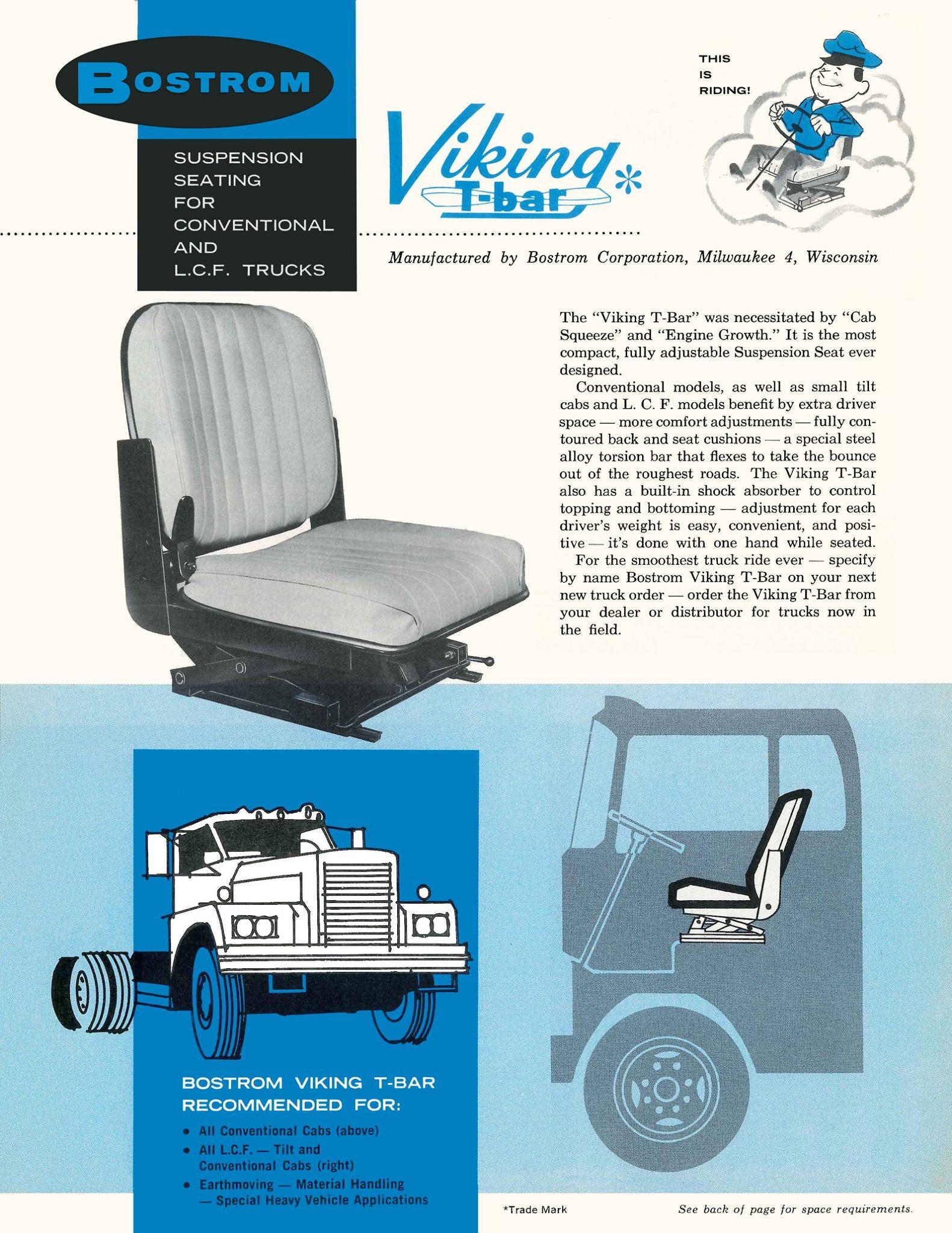
SOLD bostrom viking t-bar mack seat. brand new!
kscarbel2 replied to rz761's topic in Parts for Sale
-
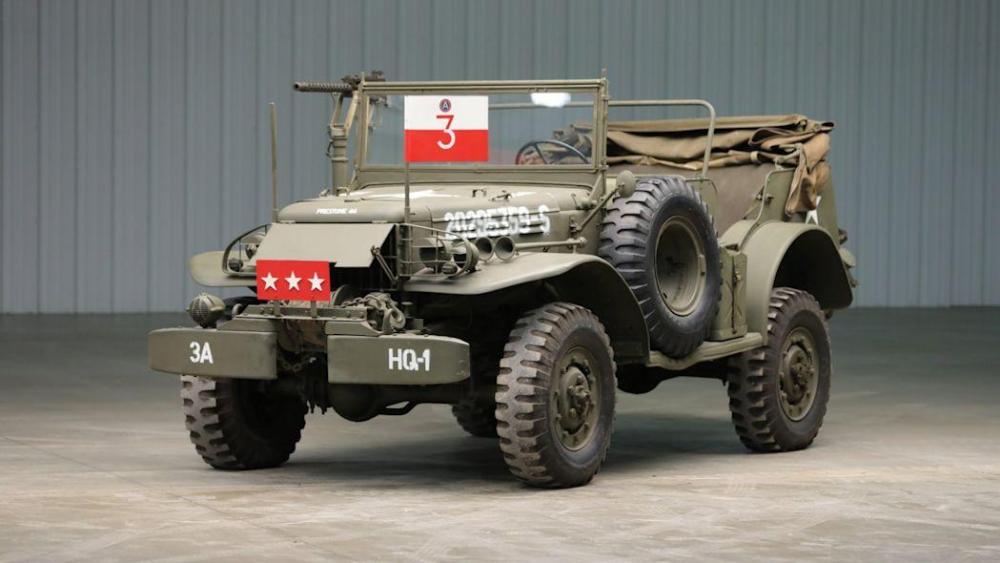
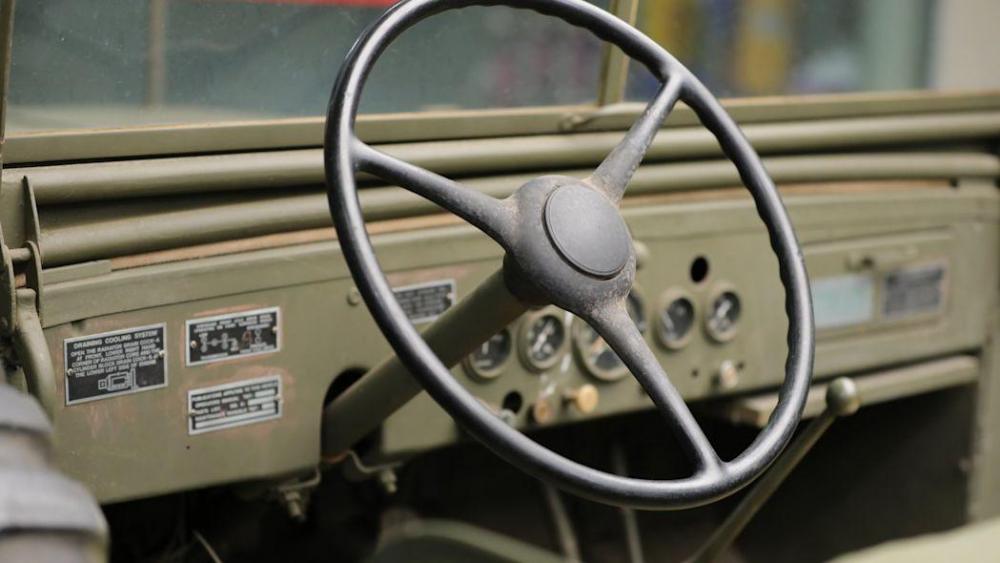
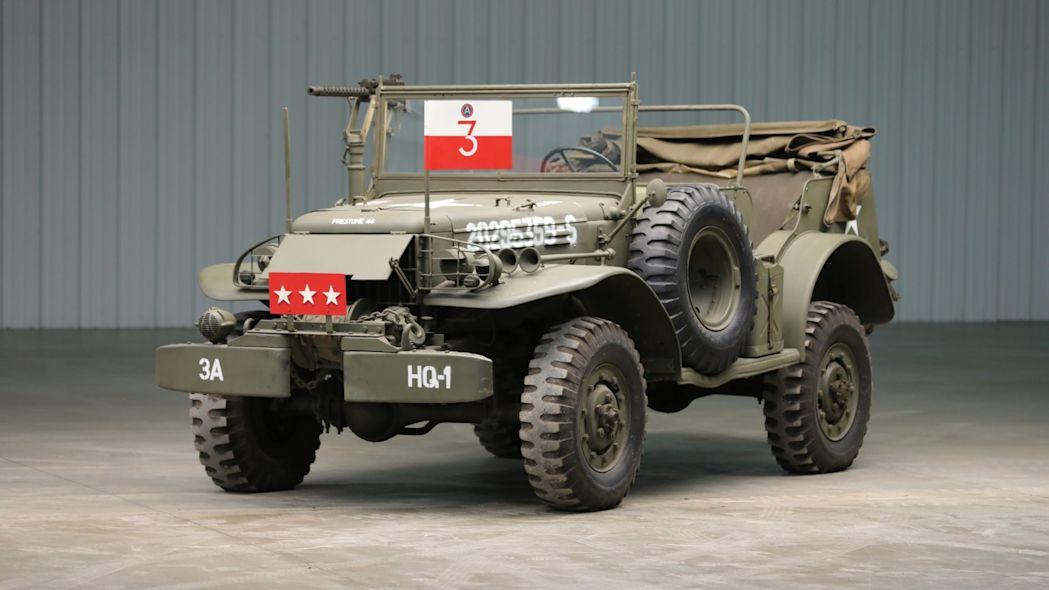
General Patton's Dodge WC57 Command Car headed to auction
kscarbel2 replied to kscarbel2's topic in Odds and Ends
Note the combat rims, with bolt-on retaining rings, typical on WC 51/52 and WC 56/57 trucks. -
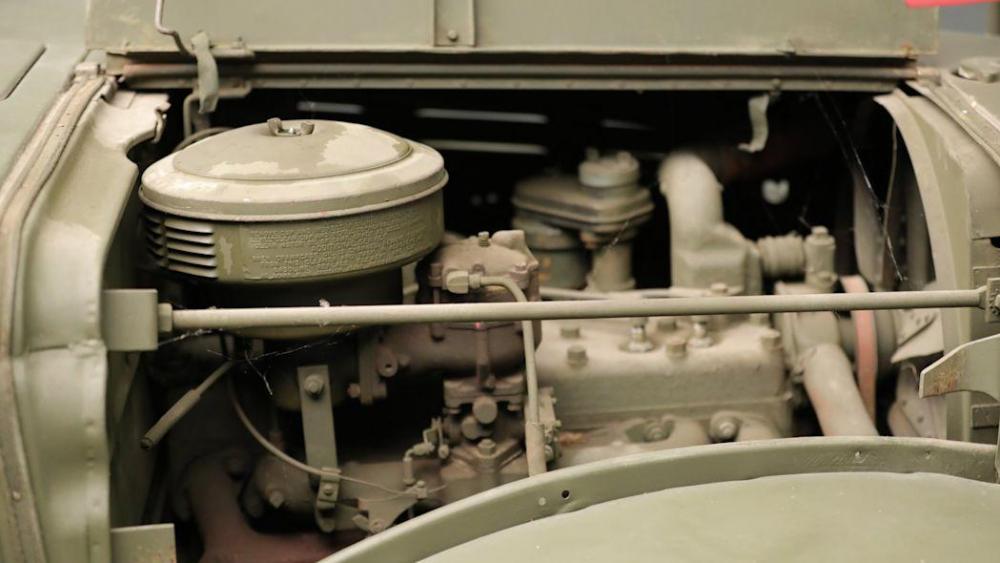
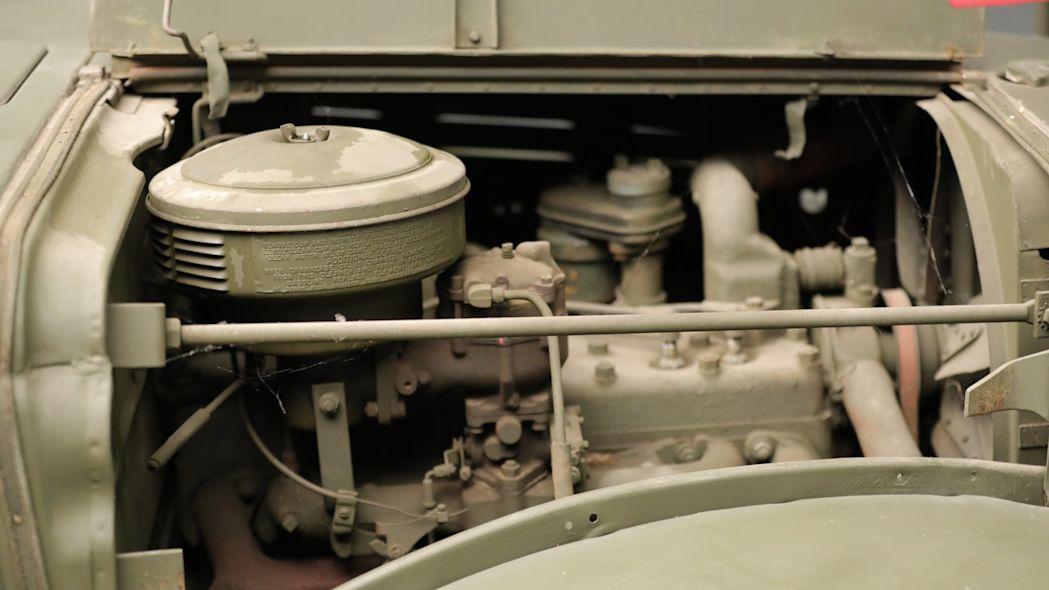
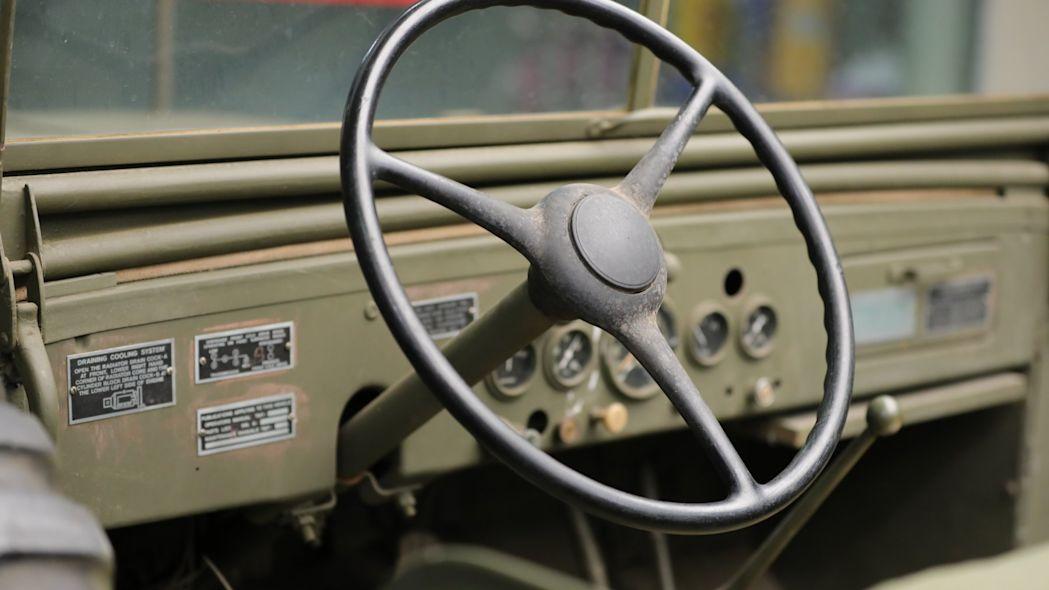
Autoblog / April 9, 2020 Indiana will see some excellent vintage metal on several auction blocks this summer. Mecum Auctions has the 1965 Pontiac GeeTO Tiger and 1963 Shelby Cobra that was a Ford demonstrator planned for in Indiana in late June. Two weeks before that, and as noted by Carscoops, Worldwide Auctioneers will offer what could have been Gen. George S. Patton’s Dodge WC57 Command Car. We say "could have been" because although the WC57 came out of the National Military History Center in Auburn, Indiana, a few years ago and is fitted with the modifications Patton made to his personal WC57, the auction house doesn't have paperwork explicitly linking Patton to this car, and there are other replicas of Patton Command Cars out there. That could help explain why when RM Auctions put this WC57 up for sale in 2017 with a pre-sale estimate of $100,000 to $150,000, the vehicle failed to make the $60,000 reserve. Dodge had been making vehicles for the U.S. military since before World War I, most of them based on civilian models. Before the U.S. entered World War II, Dodge turned its civilian TC pickup into the 1940 VC-1 military truck. The VC-1 quickly evolved into the WC range, the WC57 Command and Reconnaissance Weapons Carrier riding on a three-quarter-ton, 4x4 chassis and weighing almost 5,400 pounds. Built from 1942 to 1945, they were powered by Dodge's T214 side-valve, 230-cubic-inch inline-six with 92 horsepower. The WC57 was simple, reliable, capable, and at the end of the war, was part of the inspiration for the Dodge Power Wagon. The story is that soldiers returning from active duty badgered Dodge for a civilian version of the indefatigable WC warhorse, so Dodge responded with the postwar's most hardcore pickup in 1946. The open-topped WC57 rig was also popular with U.S. Army officers, and because of that, it was popular target practice for German infantry and Luftwaffe pilots. So Patton, before heading to France in 1944 with the Third Army, had the motor pool in Cheltenham, England, modify his WC57. Mechanics added an armor flap to shield the radiator, half-inch armor plate under the floor, and a Browning M2 .50-caliber machine gun for fending off aerial attacks. A second, drop-down tailgate provided extra space and covered tool storage. Flags and high-volume horns on the front fenders announced Patton's rank and command, and a grab rail behind the front seats gave Patton a handhold as he stood to address his troops. The auction vehicle differs slightly from those mods, perhaps due to the inevitable changes, upkeep, and restoration after the war. There's a Browning M1919 A44 .30-cal mounted to the passenger running board, and a different took kit on the tailgate. This time, Patton's ride has to go, though, so it will hit the auction block with no reserve. The Worldwide Auctioneers event happens from June 11-14 at Kruse Plaza in Auburn, Indiana. . .
-
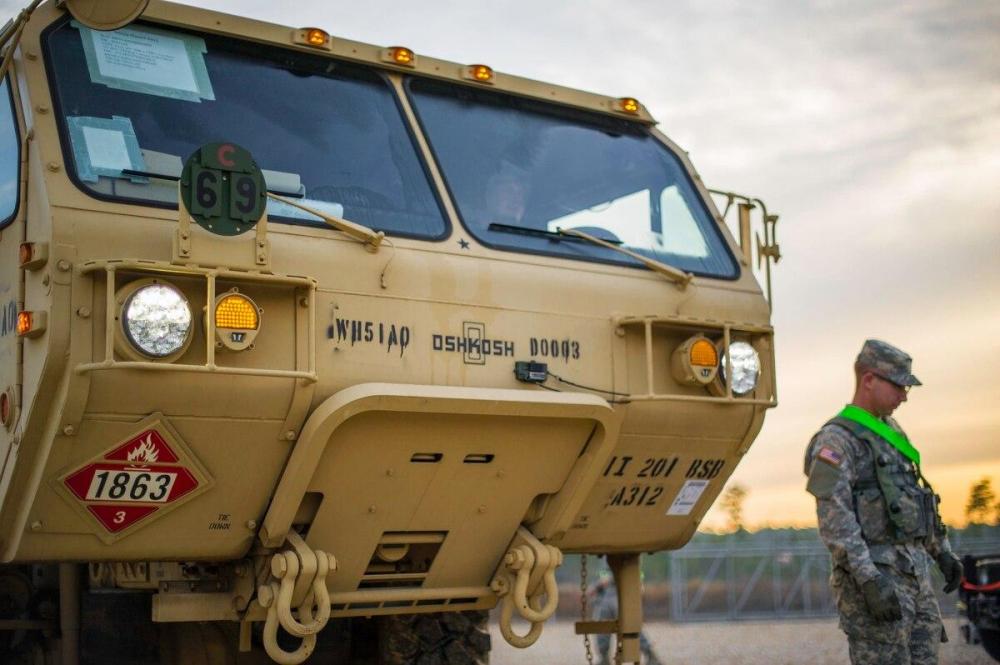
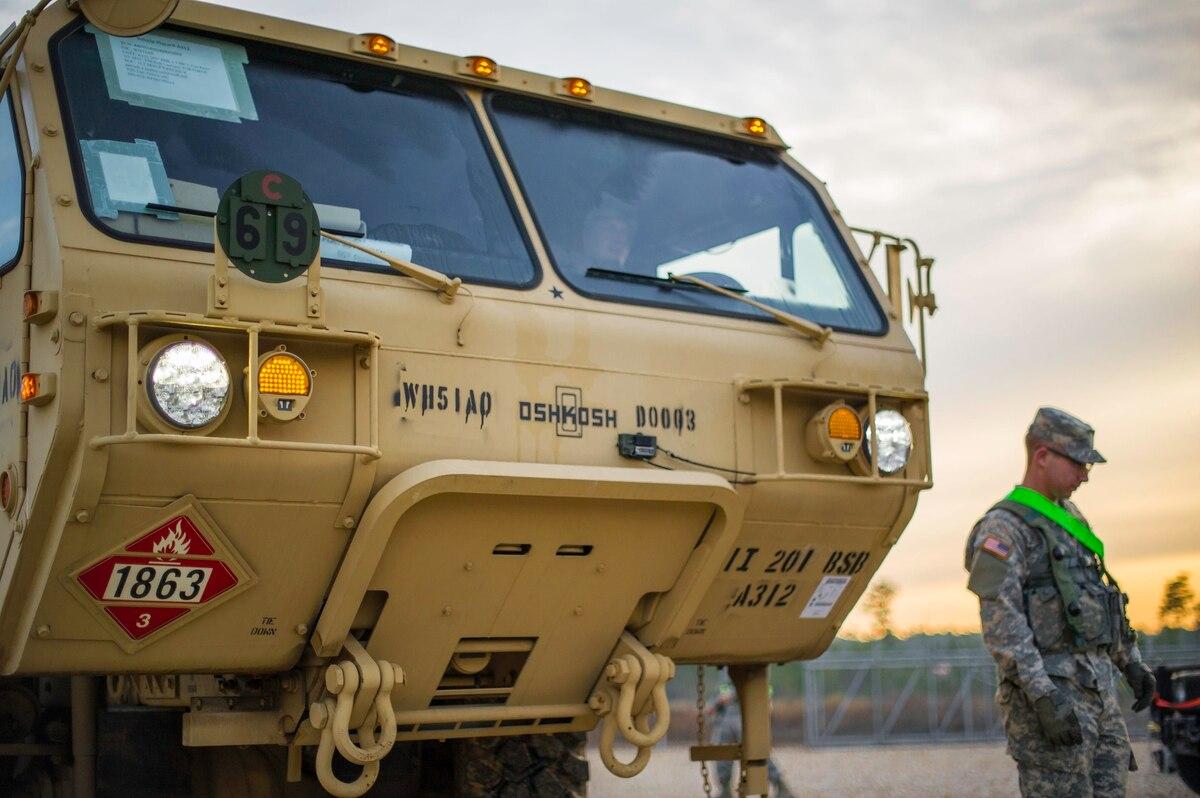
Jen Judson, Defense News / March 31, 2020 WASHINGTON — Oshkosh Defense has won a $346 million award to modernize the U.S. Army’s fleet of heavy tactical vehicles, according to a March 30 company statement. The company will recapitalize Heavy Expanded Mobility Tactical Trucks (HEMTT) and Palletized Load System (PLS) trucks with updated technology and safety features. Under the contract, Oshkosh will also build new PLS trailers. Upgrading heavy tactical trucks aligns with the service’s need to support operations across multiple domains against near-peer adversaries. “Whether they’re hauling rocket launchers and missile defense systems, or transporting mission-critical equipment, the HEMTT and the PLS will continue to be an integral part of the U.S. Army and U.S. Army Reserve heavy vehicle fleets for years to come,” said Pat Williams, the company’s vice president and general manager of U.S. Army and Marine Corps programs. “As the military pivots its focus to near-peer adversaries, they can be confident that the [family of heavy tactical vehicles] fleet will continue to serve as a key enabler for combat missions.” Oshkosh has already recapitalized more than 13,700 HEMTTs and 3,400 PLS for the U.S. military since 1995. The company supplies tactical vehicles across the services, including heavy, medium and light. Oshkosh has long held lucrative contracts to supply the services and foreign partners with medium tactical vehicles; it had won a contract to provide a new variant of the vehicle but has yet to begin delivering to the Army. Navistar Defense recently sued the Army over its continued purchase of Oshkosh’s family of tactical vehicles without competition, but the U.S. Court of Federal Claims ruled in favor of the service and Oshkosh. Oshkosh also provides the Joint Light Tactical Vehicle to the Army, Marine Corps and Air Force. The vehicle reached full operational capability last year after overcoming some design issues. The future is unclear for the Oshkosh-manufactured JLTV as the Army looks to compete for future lots of the vehicle, according to the service’s fiscal 2021 five-year budget plan. .
-
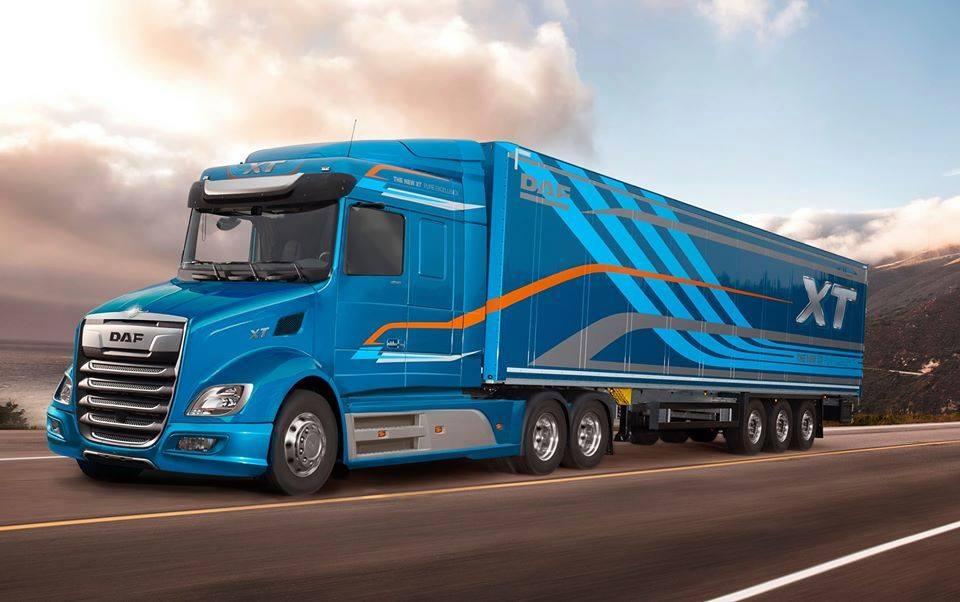
Iepieleaks / April 8, 2020 Now here is something special. The blue artist impression of a DAF XF bonneted truck is nothing more than the fantasy of an unknown photoshop artist. The result looks very good but we dont think this is ever going to be the reality. .
-
- 1
-

-
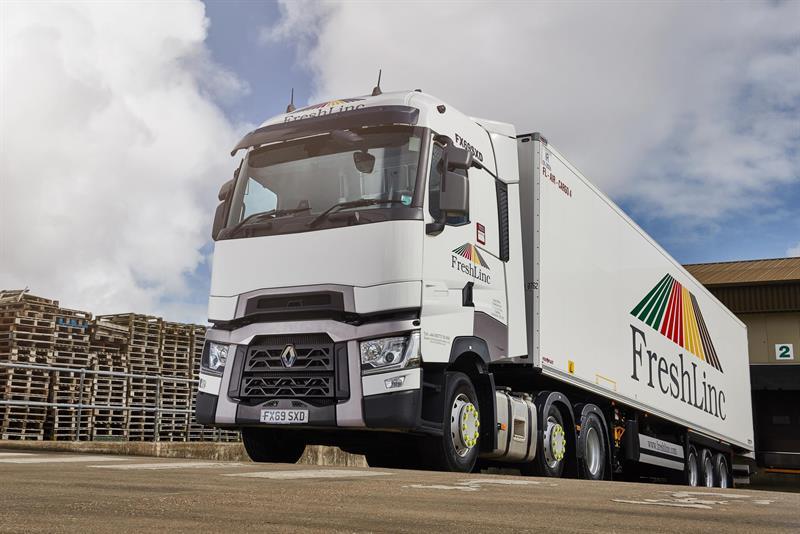
Transport Engineer / April 6, 2020 FreshLinc Group, the Spalding, Lincolnshire-based temperature-controlled, food and horticultural products logistics supplier has taken 20 new Renault Trucks tractor units from Midlands dealer BRS Trucks. The order consists of 18 Range T460 6x2s and two Range T480 High 6x2s, taken on a three-year term with full R&M, including tax but excluding tyres. Fleet Engineer Andy Marchant MSOE MIRTE reports that the company bought its first Renault Trucks Range T back in 2016 and has enjoyed a supportive relationship ever since. He says: “Continually good fuel consumption figures, coupled to a high degree of driver acceptance and a good support network lead us to continue placing orders with the brand.” Twenty new trucks will operate from both the company’s HQ in Spalding and Huntingdon, maintained by respective dealers Thompson Commercials and WTL Trucks in Peterborough. The 18 T460s are powered by Renault Trucks’ 11-litre DTI, while the larger 13-litre DTI powers the T480 Highs. Both feature Renault’s Optidriver automated transmission. Marchant says: “The latest vehicles are expected to cover an annual 180,000 kilometres working on the company’s temperature-controlled traffic on a continuous seven day a week operation; fuel consumption is within FreshLinc’s predictions and budget.” FreshLinc Group now operates four separate divisions: FreshLinc Chilled, FLX Logistics Ambient, DirectLinc Container and FLB Bulk Transport Division. .
-
I agree Bob. The video is extremely well done, and for a broad (worldwide) audience.
-
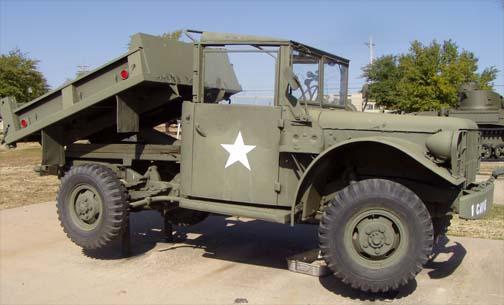
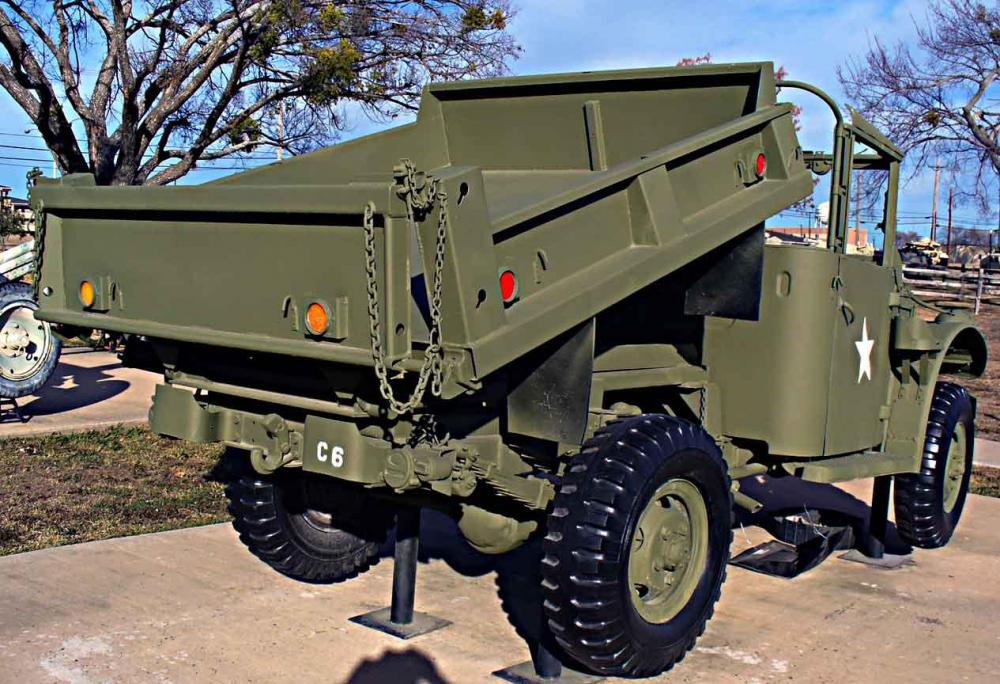
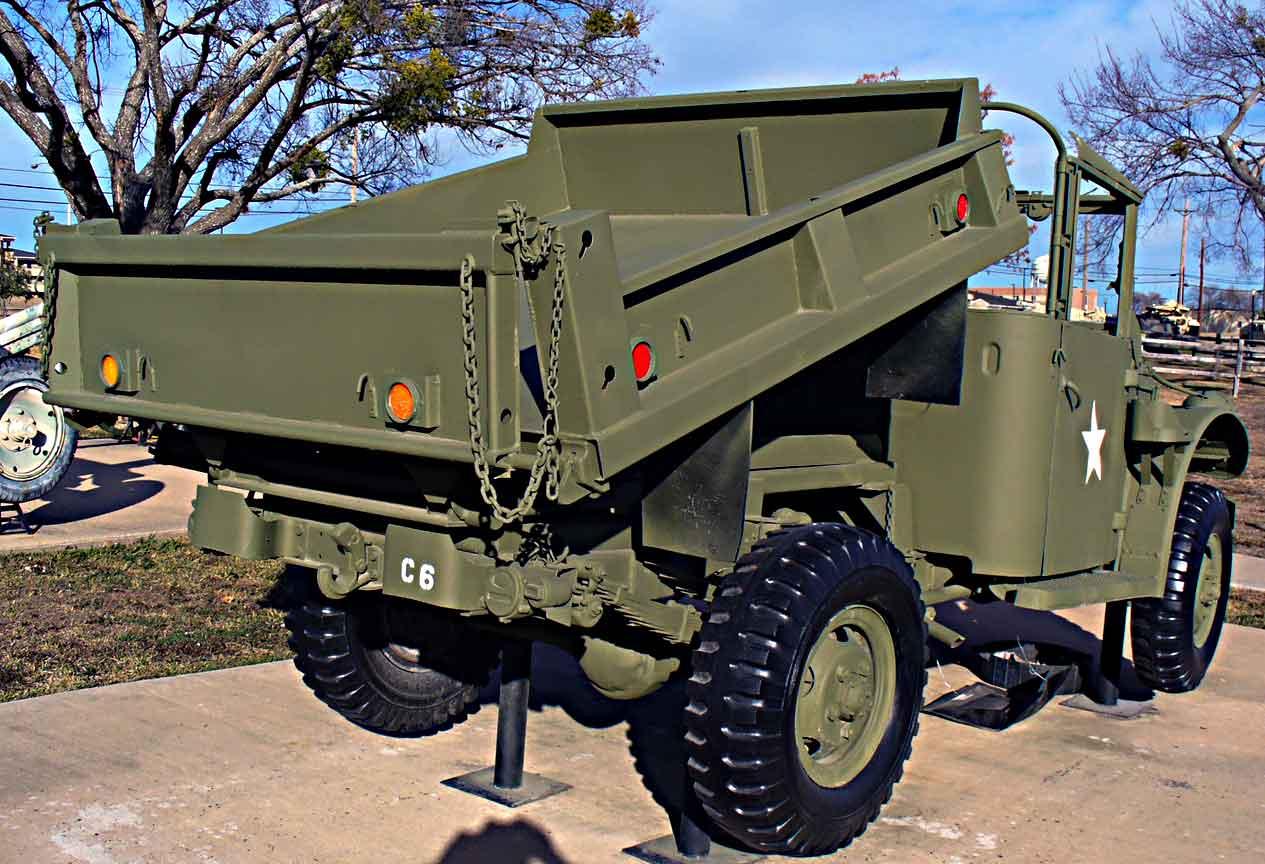
In 1964, Army authorities at Fort Benning requested that a lightweight dump truck be provided for the conveyance of supplies and clearance of airfields. A decision was made to install Gar Wood GA-2 dump bodies on the [conservatively rated] 3/4-ton M37B1 cab and chassis. A few trucks received Hardeman bodies. Designated XM708 (Gar Wood) and XM708E1 (Hardeman), 200 were built and most were shipped to Vietnam. The rear springs were upgraded to allow a 3,500lb payload. .
-
Reuters / April 11, 2020 Major U.S. airlines were urging Treasury officials and the federal government’s outside advisers on Saturday to scrap or revise a proposal that would make part of the $25 billion earmarked by Congress repayable in the form of low-cost loans. Treasury Secretary Steven Mnuchin told the airlines on Friday the government would require them to repay [a mere] 30% of the grants in low-cost loans over 10 years — with the first five years at 1% interest — before the interest rate would rise. The government is also seeking warrants equal to 10% of the loan amount. Airlines, in calls with U.S. Treasury officials and the government’s outside advisers, were making the case that Treasury should not require them to repay a big chunk of grants, in part because the $25 billion is not sufficient to cover the full amount of payroll costs submitted. Airlines for America, a trade group representing American Airlines, United Airlines, Delta Air Lines, Southwest Airlines, JetBlue, Alaska Airlines and others, said Saturday it believes the $25 billion in payroll assistance was “to be only in grants – which is considerably more effective for our employees – and not a combination of grants and loans.” Under the terms laid out in the statute, companies receiving funds cannot lay off employees before Sept. 30 or change collective bargaining agreements. Mnuchin has authority to demand compensation for the grants but is not required to do so. Sara Nelson, president of the Association of Flight Attendants union, [arrogantly] wrote on Saturday that if Treasury insists on airlines repaying $7 billion in grants, “job cuts will happen now AND longer term cuts will come in October. This is absolutely stealing from the money Congress allocated directly to workers.” Congress set aside another $25 billion in loans to passenger airlines, but no action on those is expected until Treasury makes decisions on the grants. Some airlines were seeking other changes in the terms including ensuring grant funds are paid as a lump sum rather than on a monthly basis. The Treasury said Friday Mnuchin will not require passenger air carriers that will receive $100 million in assistance or less to provide compensation. Treasury said Friday it is working with 12 larger passenger air carriers “to secure appropriate financial instruments to compensate taxpayers.” Airlines were told they could apply for the amount they paid in salaries and benefits in the second and third quarters of 2019. American Airlines, with the largest number of employees, had said it was seeking around $6 billion.
-
Ford Trucks International / April 11, 2020 The loads we’ve seen and what we’ve carried so far….... But they carry the most important one. A million thanks to the ones who work day and night for us to leave this difficult time behind. .
-
1964 C615
kscarbel2 replied to Prowrench's topic in Antique and Classic Mack Trucks General Discussion
The concept behind the insulated spring mounting arrangement is rooted back to Mack Trucks chief engineer and vice president Alfred Masury. ------------------------------------------------------------------------------------------------------------------ One of the many famous achievements of the Masury-led research and development department of the International Motor Company was elaborate experimentation in the early 1920s to measure the effects on tires and suspension systems of both pneumatic and solid-tired trucks when run at speed off an inclined ramp. The project originated from Masury’s desire to investigate the attributes of the recently introduced Belflex composition rubber spring shackle. Five Mack trucks ranging in capacity from 1-1/2 to 5 tons were driven at speeds of 15 to 18 miles per hour up a 1-1/2 foot tall ramp, during which time the effects on the tires and suspension systems were recorded utilizing an advanced new “Novograph” motion picture camera capable of taking pictures at a rate of 144 frames per second. Given the ability to review the video test results in slow motion, the Masury team developed and patented the Mack Rubber Shock Insulator in 1921.The technology was first utilized on the AB, a cushion connection between the spring ends and chassis. Mack’s use of live rubber cushioning technology extended over the 1921-1927 period to engine, transmission radiator steering gear and cab mounting. As pneumatic tires for medium and heavy trucks at this time was still under development, the fitment of Mack’s Rubber Shock Insulator technology to solid tire trucks greatly prolonged component life by damping harmful shock and vibrations. The potential of Mack’s Rubber Shock Insulator technology was so great that the International Motor Company formed the Rubber Shock Insulator Company in January 1922. Thru licensing agreements, Mack’s Rubber Shock Insulator technology was used by Chrysler, Peerless and Yellow Cab (Yellow Coach Manufacturing Company). Always thinking outside the traditional box, Alfred Masury and colleague Emil C. Fink jointly patented a shock-insulated railroad track design, an advanced rail fastening system for attaching rails to railroad ties (http://www.freepatentsonline.com/1619028.pdf). https://www.bigmacktrucks.com/topic/39563-mack-remembrance-–-alfred-fellows-masury/ -
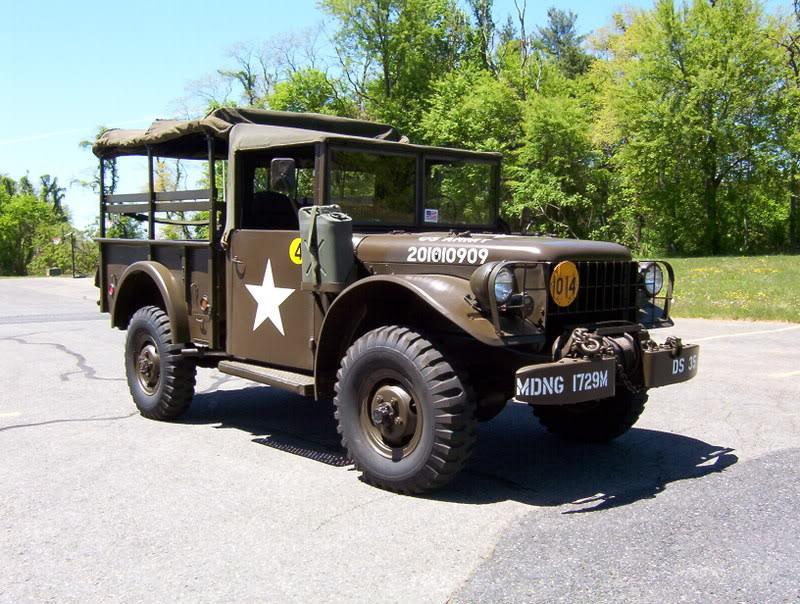
The Dodge M-37, that the Kaiser-Jeep M-715 was supposed to have replaced, was a far superior truck. Still, the M-715 has a more interesting appearance. .
-
That Ford Cargo cab is looking proud !
-
. . .
-
-
Jay Leno’s Garage - Rtech Retro Truck Restomods
kscarbel2 replied to kscarbel2's topic in Odds and Ends
-
Telling data is coming out of Iceland, thanks to its isolated location and sparse population. Iceland has already tested 10% of its population, more than any other country. Half of its citizens who have the coronavirus........are not showing any symptoms. That’s double the CDC’s recent estimate that as many as one in four people with COVID-19 may be asymptomatic.
-
In my youth, I had always been told the optional 327 engine in the Jeep (SJ) J-Series "Gladiator" pickup trucks was a General Motors unit. However, I see the 230 horsepower 350cu.in./5.7L Buick Dauntless V8 was an optional engine in Jeep pickups from 1968 to 1971. I have vague memory of Buick-powered units. https://en.wikipedia.org/wiki/AMC_V8_engine#327 The AMC 327 is similar to the 287, but displaces 327 cu in (5.4 L) due to the bore increase to 4 inches (101.6 mm). Unlike the 250, the 327 was produced with hydraulic valve lifters. Contrary to some myths, the AMC V8 was not built by Chevrolet, whose own 327 V8 later became better known. The AMC 327 was introduced five years before the Chevrolet 327 engine was manufactured. The AMC 327 engine debuted in a special edition Rambler Rebel, of which 1,500 were made. They were an early American muscle car. All Rebels had silver paint with a gold-anodized "spear" on each side. The 327 was not available in any other Rambler models in 1957 other than the special edition Rebel. The Rebel's engine differs from the 327s installed in the 1957 Nash Ambassador and Hudson Hornet models in that it uses mechanical valve lifters and a higher compression ratio. The Nash Ambassador and Hudson Hornet "Special" models were dropped after 1957, replaced by the 1958 Rambler Rebel with the 250 V8. The Rebel was a Rambler with a V-8 (and necessary mods such as stronger front springs and rear axle). The Rebel name was added to differentiate the standard six-cylinder Rambler from the V-8 model. The big Nash and Hudson cars were also dropped after 1957, replaced by the 1958 "Ambassador by Rambler" — a stretched Rebel with the 327 V8 instead of the 250. The 327 was exclusive to the Ambassador line and could not be ordered in a Rebel (or later Classic) through 1964. For 1965 and 1966 the 287 and 327 were both available in the Classic and Ambassador. The 327 was sold to Kaiser-Jeep from 1965 to 1967 for use in the Jeep Wagoneer SUV and Gladiator pick-up truck. Jeep named it the "Vigilante" V8. Two barrel carburation was standard on these Jeep models, but a four barrel high-compression version was available in the high optioned Super Wagoneer from 1966 to 1968. Kaiser-Jeep switched to the Buick 350 in 1967 after AMC discontinued the 327. The Buick V8 engine option continued through 1971 after which Jeeps returned to AMC V8 engines, American Motors having purchased Jeep from Kaiser in 1970. There were low- and high-compression versions of the 327 starting in 1960. Prior to 1960 all 327s were high compression. All low compression models used a two-barrel carburetor and all high-compression models received a four-barrel carburetor. Low-compression is 8.7:1, high 9.7:1, effected by a difference in pistons.
-
May your Easter will be blessed with health, love & joy. .

-
The White House said yesterday that 11% of people under the age of 25, 17% of those in the 25 to 45 age group and 21% of those between 45 and 65 years who presented with symptoms have tested positive for Coronavirus. Among people in the 65-85 age group, they reported 22% positive tests and a slightly higher 24% positivity level among people above 85 years of age.
-
Financial Times / April 10, 2020 South Korea is desperately trying to find out why scores of cured coronavirus patients tested positive for the disease days later, raising questions over scientists’ understanding of the pandemic. The Korea Centers for Disease Control this week is investigating why 51 people in the city and surrounding areas tested positive again. Health officials do not believe the patients were reinfected or remained infectious. “We say that a patient has fully recovered when he or she tests negative twice within 24 hours. But the fact that some of them tested positive again in a short period means that the virus remains longer than we thought.” The surprise positive tests occurred between two days and two weeks after patients had been released from quarantine. Some had shown symptoms such as fevers and respiratory difficulties, while others were asymptomatic, officials said. “There are just some things that we don’t know. Often when virus infections are waning, you will have intermittent positivity and negativity, particularly at the limit of detection . . . Maybe for infected people the government is going to need to look at that data, and say ‘we need two negative tests or three negative tests in a row over a week’.” “We learn new things in the process of curing patients. At first, we thought that asymptomatic people don’t transmit the virus to others but we found in mid-February that we were wrong."

BMT Forum Logo