



RS Disposal
-
Posts
206 -
Joined
-
Last visited
Content Type
Profiles
Forums
Gallery
Events
Blogs
BMT Wiki
Collections
Store
Everything posted by RS Disposal
-
it was definitely in the center of the dampener. put an impact socket into the center of the dampener where the bolt goes so the force was directly in the center. With the heating of the dampener with the heat gun before it didn't take much to get the dampener on far enough to engage the bolt
-
This forum for me has been a godsend. Everybody has been so helpful in my quest and with my learning curve since my breakdown last fall that started my journey. I know there must be some older mechanics in my area who would know this stuff, but when I was first making inquiries into having a shop do the repair the attitude I got was that nobody really wanted to work on a 40 yr old truck. Probably because it wasn't sitting in their shop taking up space and knowing that sourcing some parts might be time consuming
-
this repair is in frame I was able to get dampener on by using emery cloth to make sure everything was clean and a heat gun. Was able to get it on far enough with some light tapping with a brass hammer far enough for the bolt to engage the threads and pull it on the rest of the way
-
A heat gun I do have, Thanks
-
Book says to heat vibration dampener for 13 minute in 250 degree oil. That I do not have access to. Is there something a little simple for me to do? And I agree about the camshaft gear. My son said he might of been able to get a small oven that they use at his work to heat bearings for the big pumps his company rebuilds.
-
Thanks, I eventually found the adjustment in the service manual. Guess I'm getting tired. Been up since 11 pm last nite
-
Sorry about all the questions, but should I mess with the end play adjustment on the timing cover. have yet to find in the service manual where this is addressed. Maybe I'm just blind LOL
-
the only metal cased rubber seal was the vibration dampener
-
another quick question. When I opened the gasket set to get ready to put the timing cover on, I noticed lead wire (kinda like thick solder) about maybe 15 inches long. I don't remember seeing anything like this on disassembly. Am I missing something or is this possibly used somewhere else in the engine that I haven't been into on this repair. The set is a front/lower end gasket set from PAI
-
The new camshaft from PAI arrived last nite. Only ordered it tuesday afternoon. Got it in no problem. Question - Is there anything other than timing marks I should be paying attention to and also what is the accepted procedure to break in the cam?
-
New radiator and cooling system.
RS Disposal replied to RS Disposal's topic in Engine and Transmission
-
New radiator and cooling system.
RS Disposal replied to RS Disposal's topic in Engine and Transmission
I totally agree about "all it takes is money" but that is something due to many circumstances I just don't have. My shop just says they can't get a core to rebuild. Maybe it is the attitude of shops in my area. When I first had my breakdown last summer I approached several shops about doing the work. I was either told that they were interested in working on older trucks or that the parts were all no longer available, thus the truck was dead in the water without a new engine swap. -
New radiator and cooling system.
RS Disposal replied to RS Disposal's topic in Engine and Transmission
NOPE, not even close LOL -
Well according to those who are suppose to know this stuff, it is. Guess I'll find out tomorrow afternoon
-
The 7th isn't larger than the rest of the journals. They are all the same size. The cam for my engine has a smaller diameter 7 th journal. The book just describes the cam as a larger diameter 7th journal
-
I ordered the camshaft that PAI shows for the Mack # 454GC568B UPS says I should have it tomorrow. (WOW, only ordered it yesterday afternoon) The camshaft I got that the original description saying it was for the ENDT 673, 675 & 676 was supposedly 454GC580. It has the larger diameter 7th journal. (Sealed Power CS-851) As near as I could tell other than that the camshafts are the same. Maybe that's the difference between a dynatard engine and a non dynatard engine
-
-
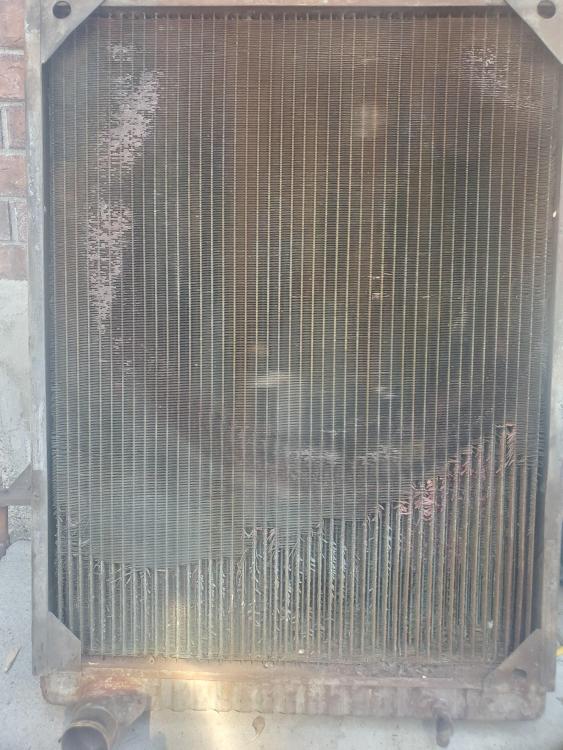
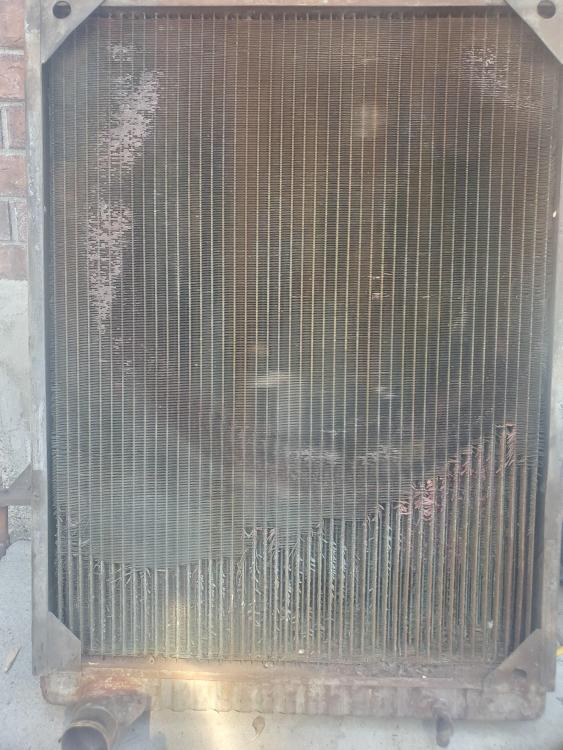
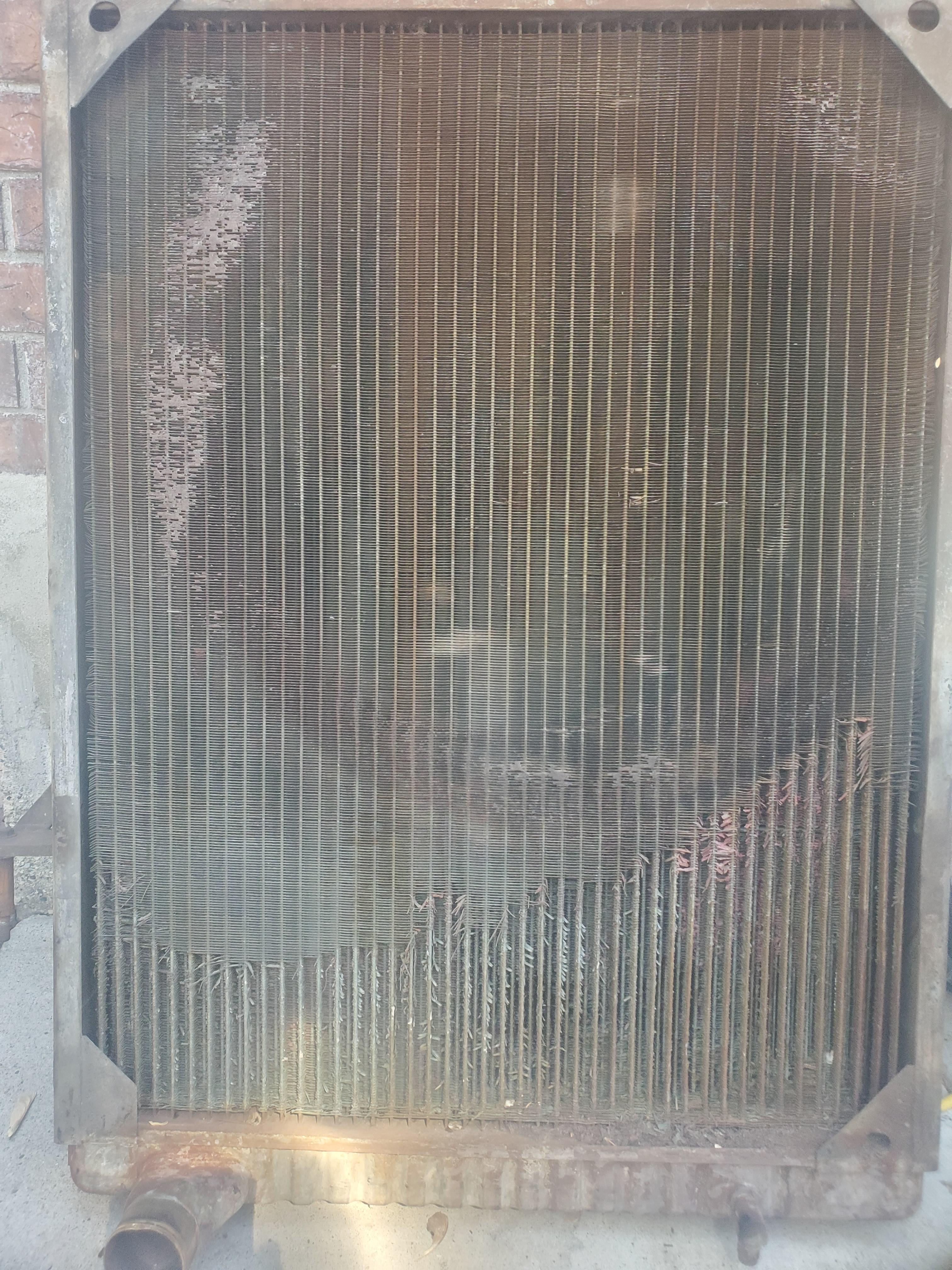
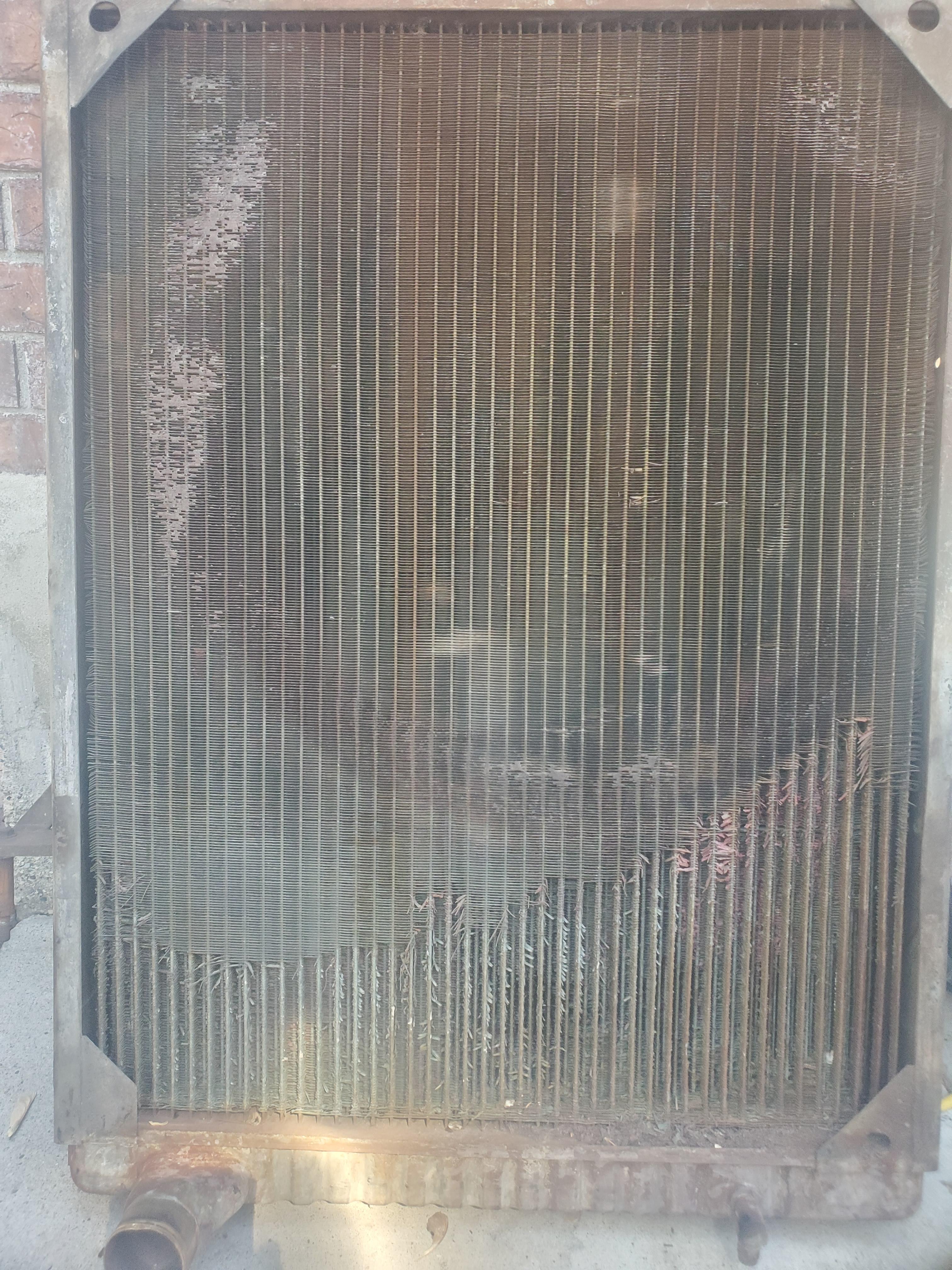
My truck being older, 1979, and with a brass radiator, my local "go to shop" for heavy truck radiators says he has been able to locate a viable core to rebuild my radiator. He said if he did locate one it would be pretty spendy and recommended I just replace while radiator. As you can see from the pic mine is pretty dead. My question is, I was able to pickup a Mack heavy duty truck radiator where the core dimensions are the same as the one out of the truck. Mounts different, but I have no problem fabricating a new mounting bracket. This radiator does not have the cap in the upper tank. Should I put an inline radiator fill in the upper hose or should I add an auxiliary overflow tank the way my other two trucks are. This truck never had one.
-
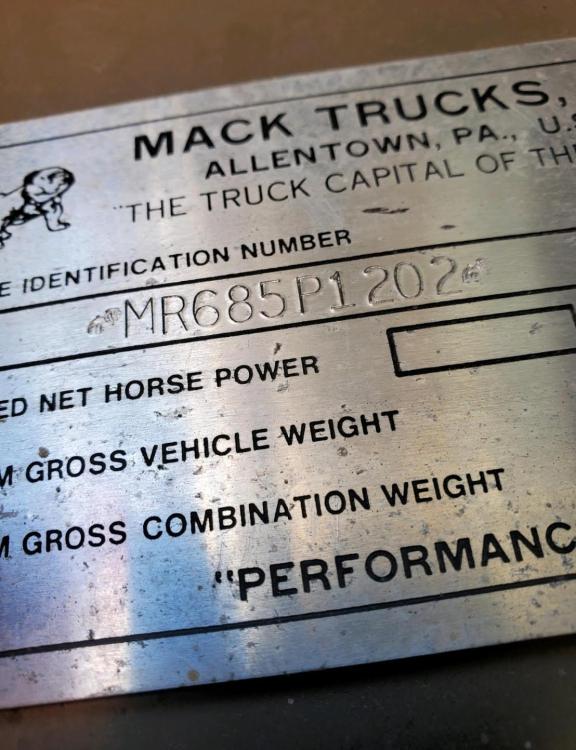
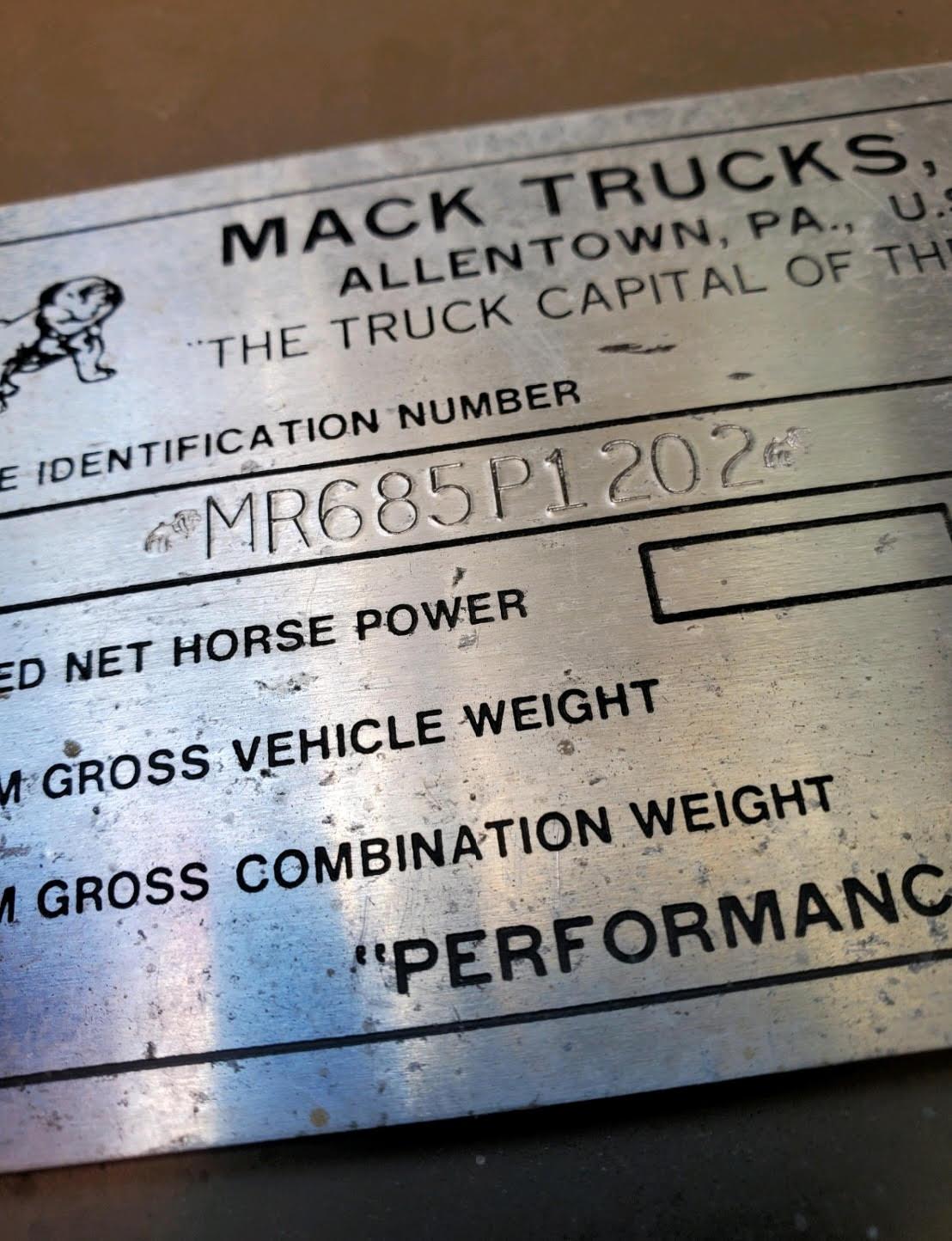
The part number my Mack guy at the dealer gave me was 454GC568B which according to PAI they had several in warehouses across the US Guess I'll see when I get the cam. Also just a FYI my VIN is MR685P1202. All the newer guys around tell me that isn't a good heavy truck VIN, hench why I just go to the dealer.
-
Seems I REALLY can't catch a break on this engine. Seems the camshaft I picked up last winter has a lrger journal on the rear than the one out of the engine. My bad, I didn't go to the dealer and get a part number to cross reference. This one showed 454GC580. Guess I make a trip to dealer and get a part number before i start looking
-
I do have a son who is also mechanically inclined that I taught auto and light truck mechanics to. Albeit per 1980"s but some stuff doesn't change. Also have a son in law who has his own truck that does alot of his own work, so I think I am good for a GOOD helper when it comes time. Today is cleaning parts day, worst part, at least for me, in any auto/truck job
-
No , I DID NOT loosen those 4 bolts. I
-
Ok, I got the injection pump gear off and the cam out. Cam and lifter re install is a no brainer. My question is on the injection pump gear. I don't believe there will be enough of the threads beyond the gear to be able to use the nut to push it back onto the shaft. Don't really want to do any tapping of the gear to get it down. Don't want to screw up my pump. Any thoughts or words of wisdom? Was hoping the shaft had a threaded hole, but in my initial inspection last nite I didn't see one, but then I was tired and it was dark and at that point my day was 20 hrs long.
-
Any words of wisdom on getting the injection pump gear off. Does the cam just slide out once the lifters have all been captured?
-
When it comes to the VIN on my older Mack, 1979, if I go anywhere other than the dealer they tell me that it isn't a good VIN. The one parts guy is old school and he can usually find what I need, if not he gives me the Mack number which helps in researching after market.



BMT Forum Logo