



Great White
-
Posts
10 -
Joined
-
Last visited
Content Type
Profiles
Forums
Gallery
Events
Blogs
BMT Wiki
Collections
Store
Everything posted by Great White
-
Mack AC Cylinder Removal
Great White replied to Great White's topic in Antique and Classic Mack Trucks General Discussion
There is no liner in this 100 year old dog . The head is integral with the cylinder . If the bores are worn beyond a ring job we may be looking at boring and sleeving or bore oversize and have pistons custom made. It will be a challenging setup to rebore. What we have done boring antique stationary engines is to get a large used brake rotor and machine both sides flat and parallel then bolt it to the top of the cylinder and bolt the boring bar to it . There may be a better way . -
Mack AC Cylinder Removal
Great White replied to Great White's topic in Antique and Classic Mack Trucks General Discussion
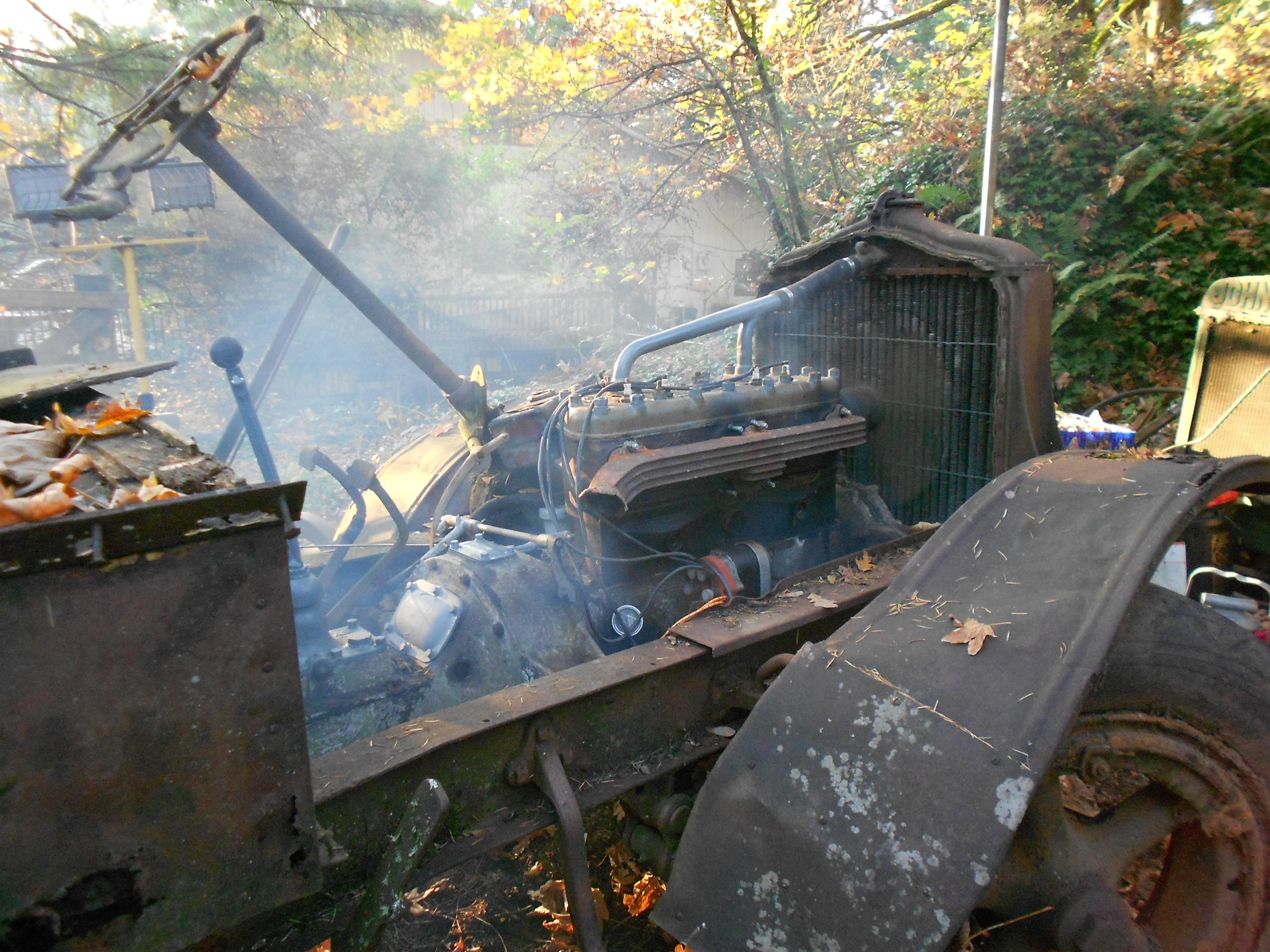
Many thanks to T-mack1: With some heat from the handy flamethrower and some PB Blaster we have liftoff . The crankcase studs were seized in mounting holes in the cylinder base . A few strokes with the cherry picker started to lift the front axle then the cylinder came up . Next need to mike the bores and see if they are serviceable . The ring grooves have excessive wear but can be squared up on the lathe easy enough. The bores look good and there is not a pronounced ridge at the top of ring travel . This old dog has fared well despite being 100 years old. Cheers! -
Mack AC Cylinder Removal
Great White replied to Great White's topic in Antique and Classic Mack Trucks General Discussion
Thank you T-Mack1: That will be the next step . The plan is to use a soft flame like from a propane weed burner and try to heat the aluminum crankcase evenly . We are hoping It will grow in size at a greater rate than the cast iron cylinder assembly and let go. We are being very careful to not break anything long the way . This old dog is 100+ years old. -
Good afternoon all: We are working on a very well used Mack AC attempting to pull the cylinders cast in pairs retained by six 5/8-18 crankcase studs . The service manual describes only removing the six nuts to remove the cylinders. The cylinders do not move even with the engine hoist wanting to lift the truck . We are trying hard not to break anything along the way. Any wisdom from someone who has been there done that would be greatly appreciated!
-
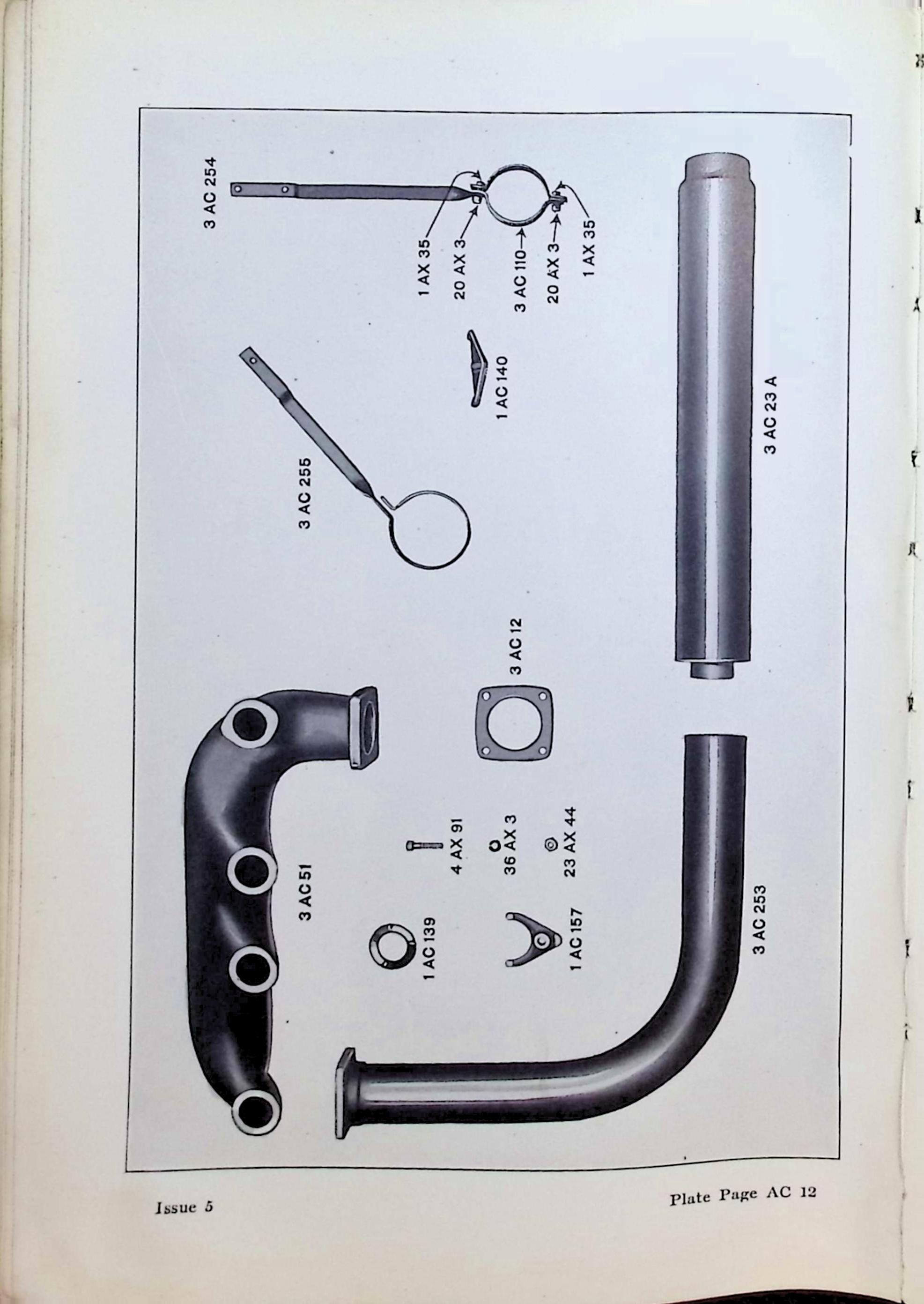
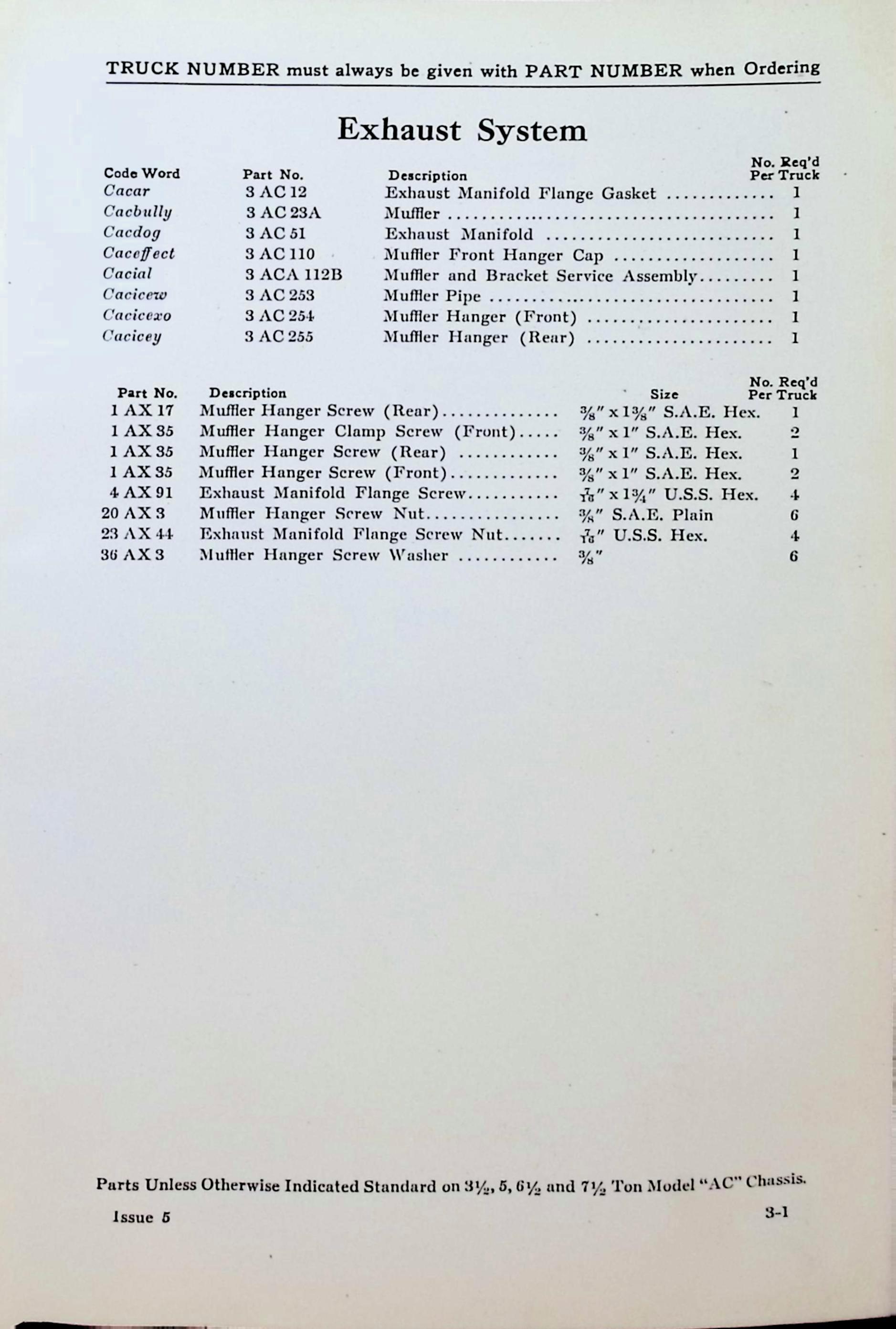
After a few beers and some serious head scratching we found the solution. There is a short stud under the manifold between #4 exhaust and inlet ports that retains the clamp which holds the #4 exhaust manifold against the block . It is completely obscured . It had a brass nut that somehow got thicker across the flats. One could start a 7/8" 4 way angle head wrench but it would not fully engage the nut and get enough of a purchase to turn it. In despair we were able to get a 15/16 wrench on it and back it off of the stud a few degrees at a time with some help from the acetylene torch. It was a bugger. The stud must have grown some rust that pushed the nut outward in the center of the flats. The nut was 7/8" across the flats originally. Mack described a special wrench (manifold fork stud wrench)Special Wrench.pdf specifically for servicing that nut. There was such a wrench still in the running board tool box . Maybe this will spare the next mechanic who dares to remove the manifolds some anguish.
-
Greetings all: The battle rages on with the wild harvested 1926 AC. The exhaust manifold looks to be retained by two large clamps. We would expect that if we remove the bolts in the center of the clamps that retain the intake and exhaust manifold it should come off. It acts like there is another bolt bolding it on. The 1924 parts book does not show any other clamps or exhaust manifold mounting bolts. It moves a small distance when pried from the front. Could there be fire rings in the ports holding it to the jugs? Any wisdom would be greatly appreciated.
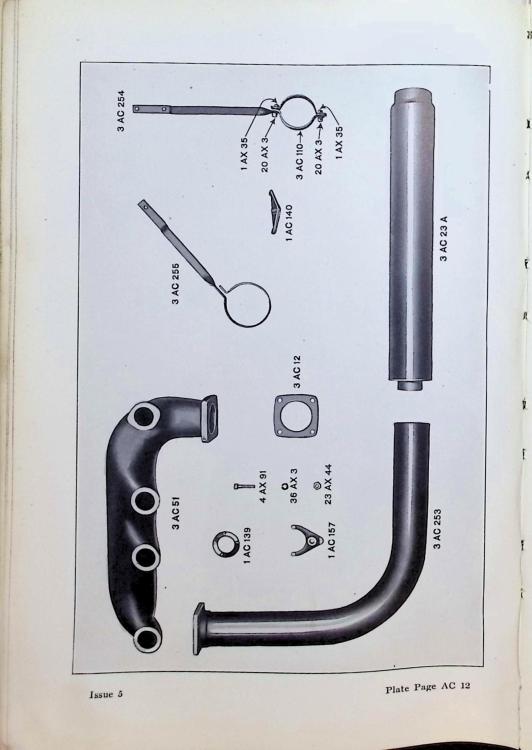
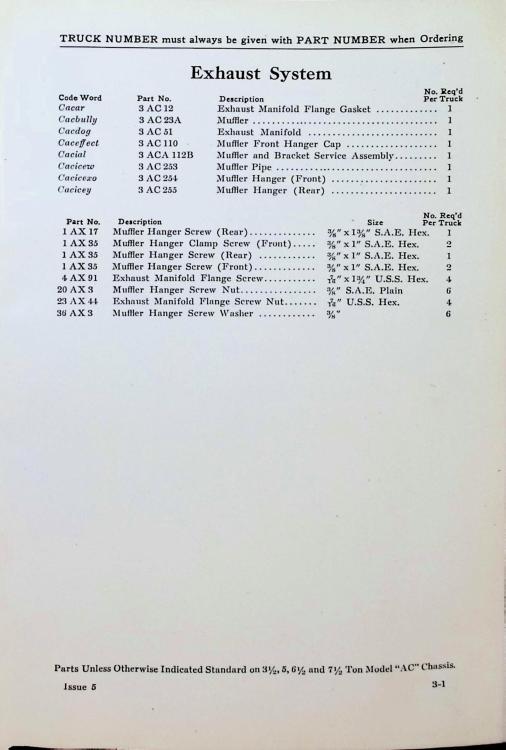
-
1926 Mack AC help
Great White replied to Great White's topic in Antique and Classic Mack Trucks General Discussion
Many thanks for the information. We sent the serial # to the Mack Museum in Allentown and are waiting on a reply. Hopefully it can be hauled by a towing company with a roll back truck. It ran in a parade in the 1980's but was very tired and had low compression according to the previous owner. The American Bosch DU4 magneto is a welcome sight. We have rebuilt many of them. Some survive in working condition even after 100+ years of service. It will be interesting to see who it was sold to. There was a trucking firm 25 miles west that had a fleet of Macks and Whites back in the day and/or it may have hauled logs. -
1926 Mack AC help
Great White replied to Great White's topic in Antique and Classic Mack Trucks General Discussion
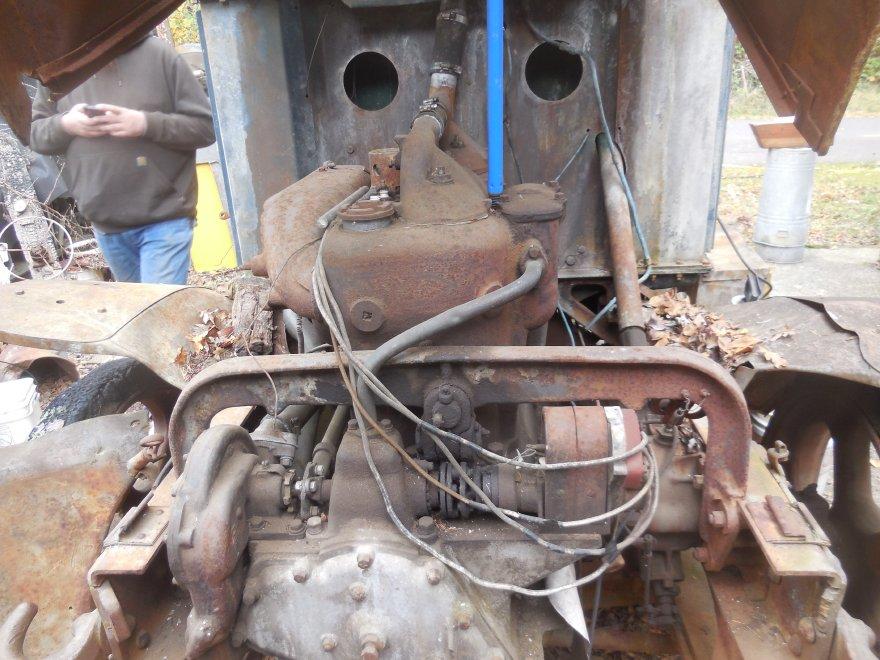
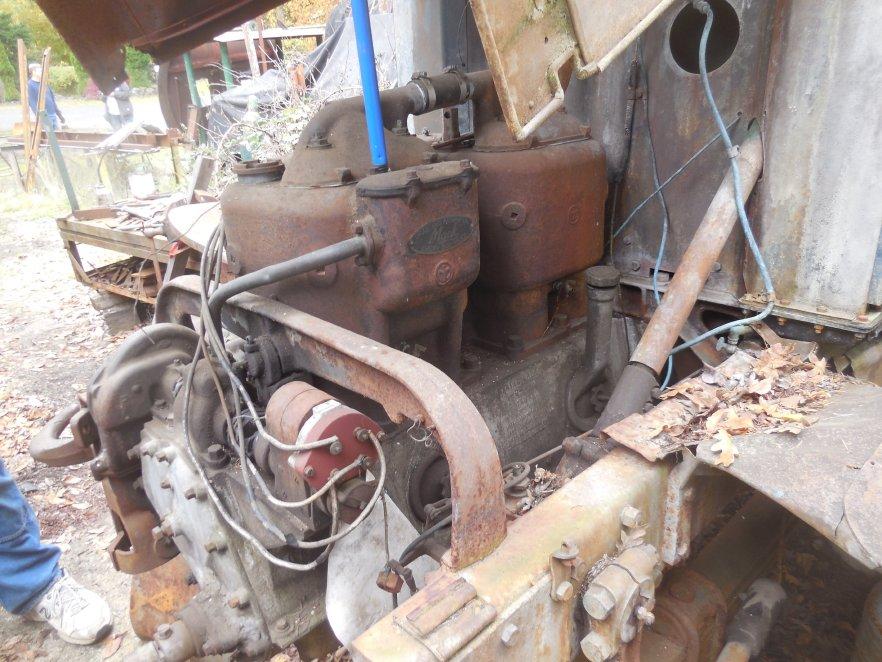
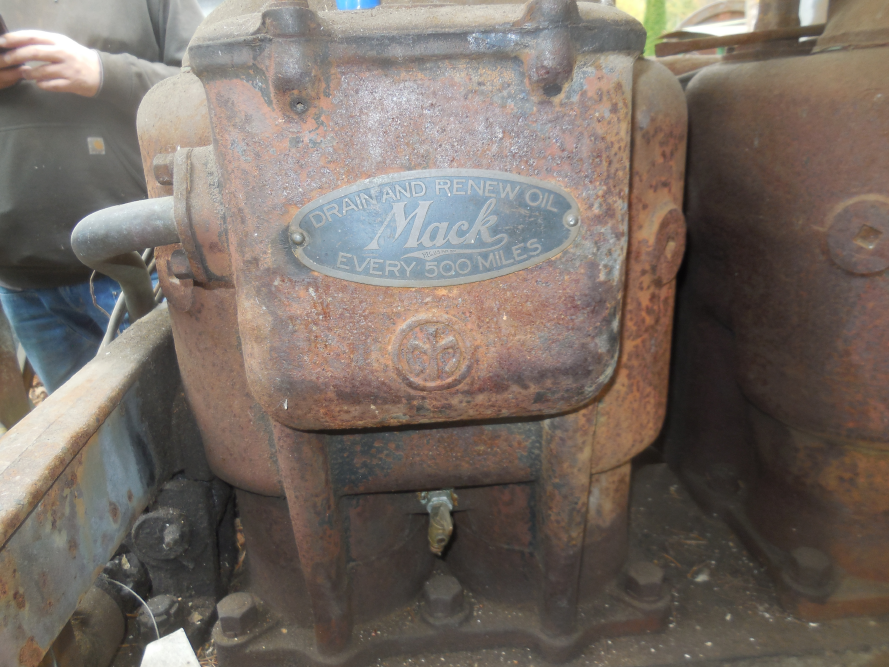
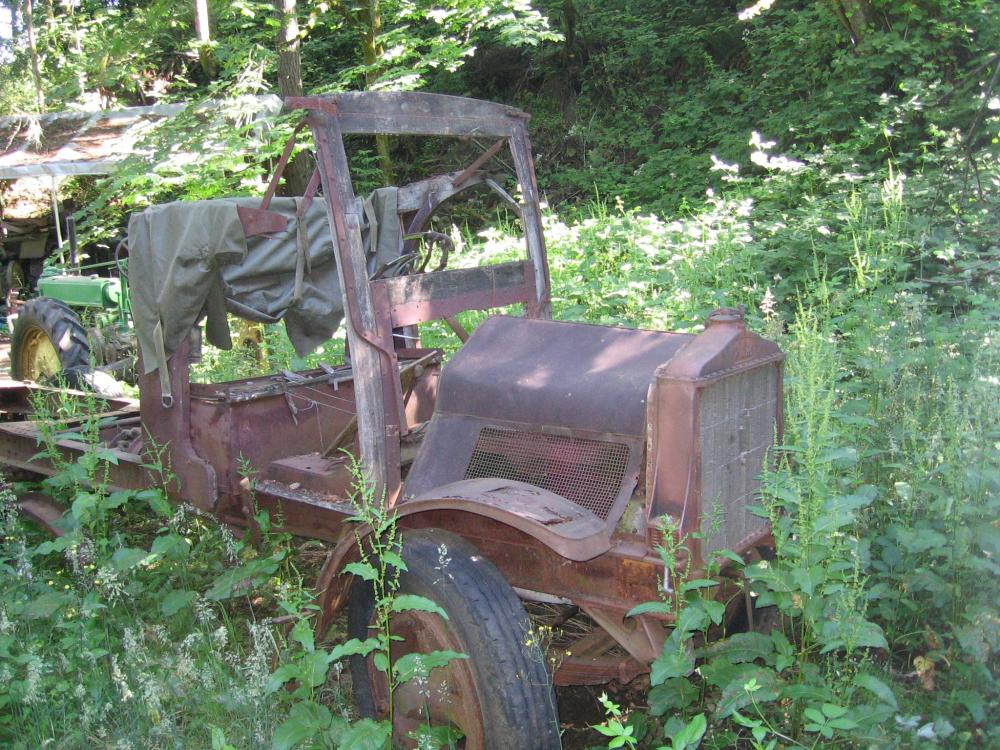
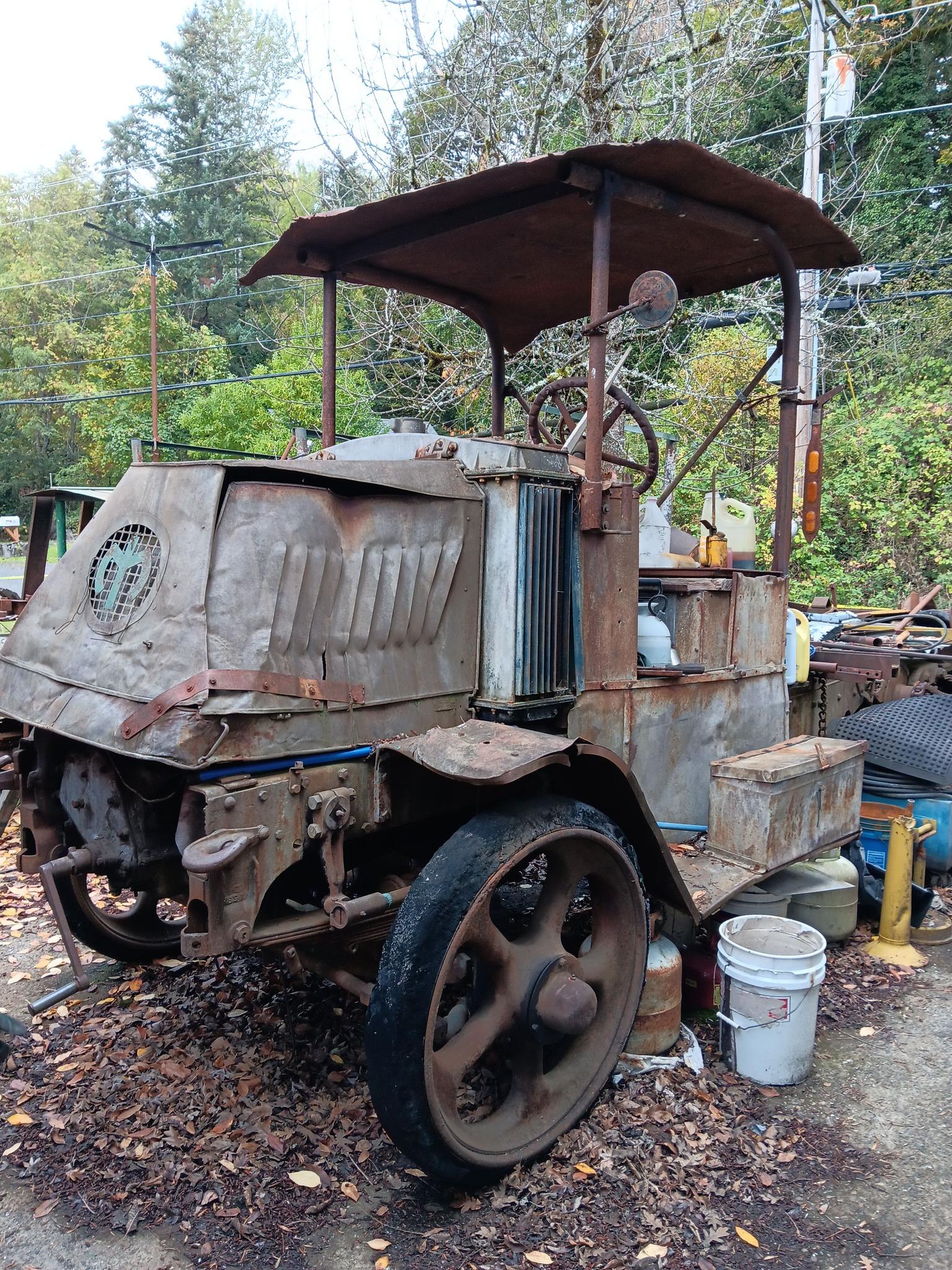
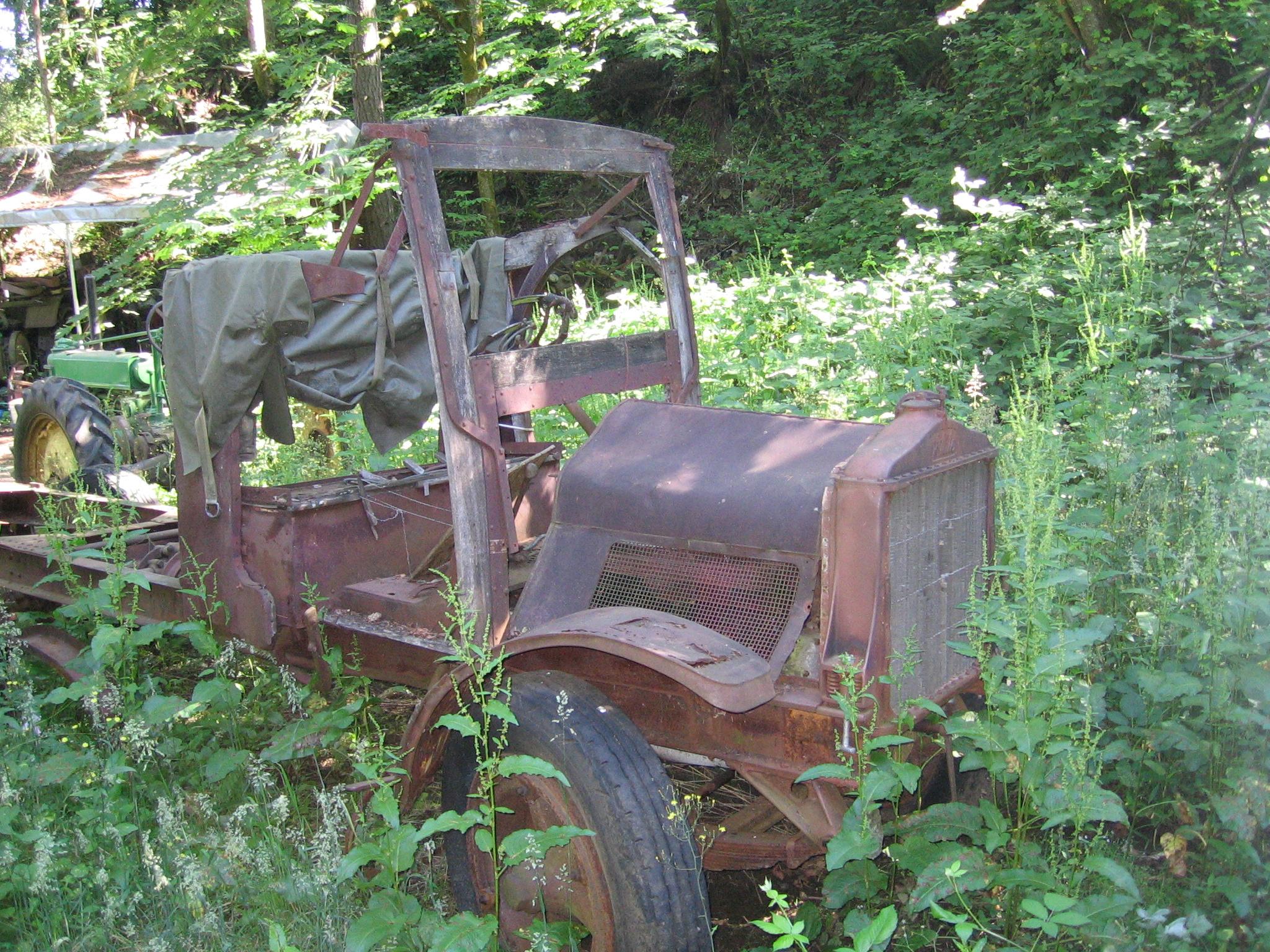
Many thanks for the information. We bought it. It is serial # 7310317 and has a 4 banger with jugs. It is not stuck. I suspect that it was used to haul logs in the Gorge. It supposedly ran in the 1980's and was very tired. We sent the serial # to the Mack museum. Oddly enough we found a tool bag with tools with Mack script on them some years past with a pile of antique Caterpillar parts. It looks to be mostly there but has a later cast Stromberg carburetor. The manifold looks great. We also have a 1919 White model 45 five ton rescued from the scrapper. It was used as a water truck in Seattle, Wash. No idea why a water truck would ever be needed in soggy Seattle. It is very rusty but a brass tag on the block showed an overhaul in 1932. It has aluminum pistons and almost no wear on the cylinders. It looks dreadful but runs well. We are pleased to see interest and support to keep these old dogs alive.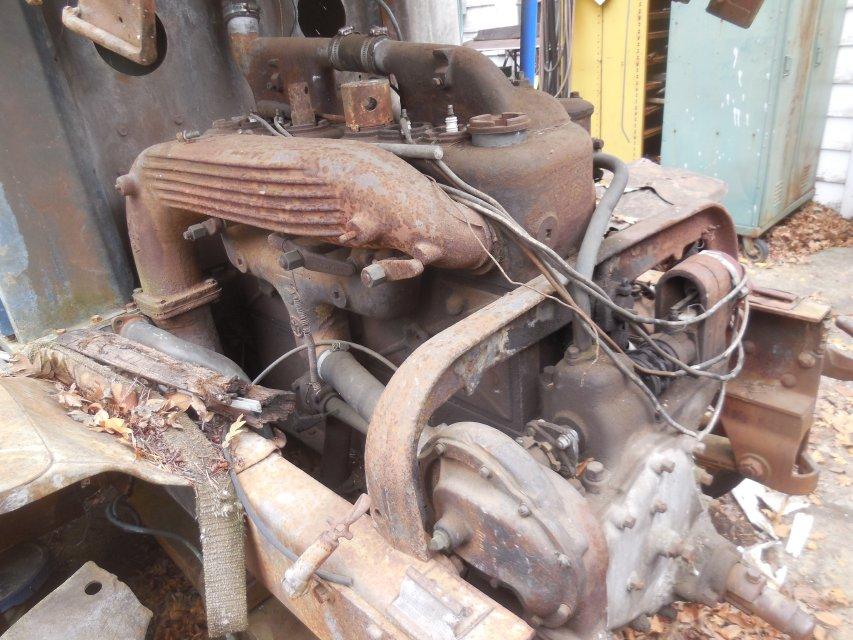
-
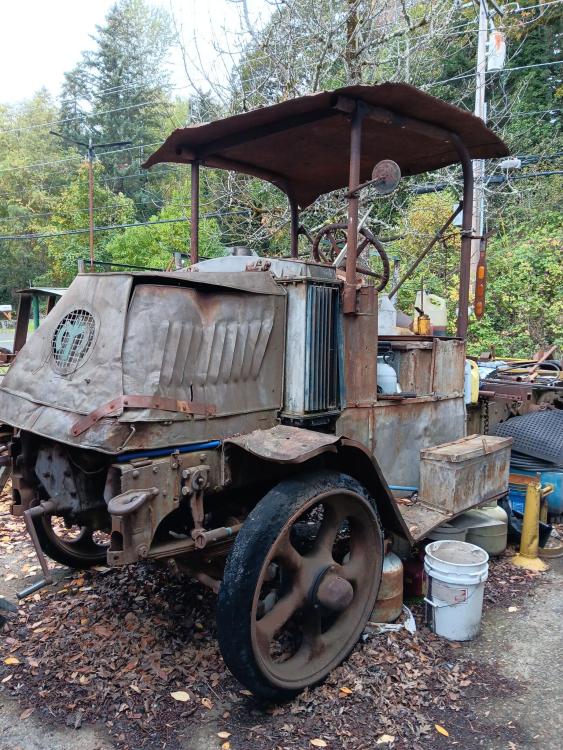
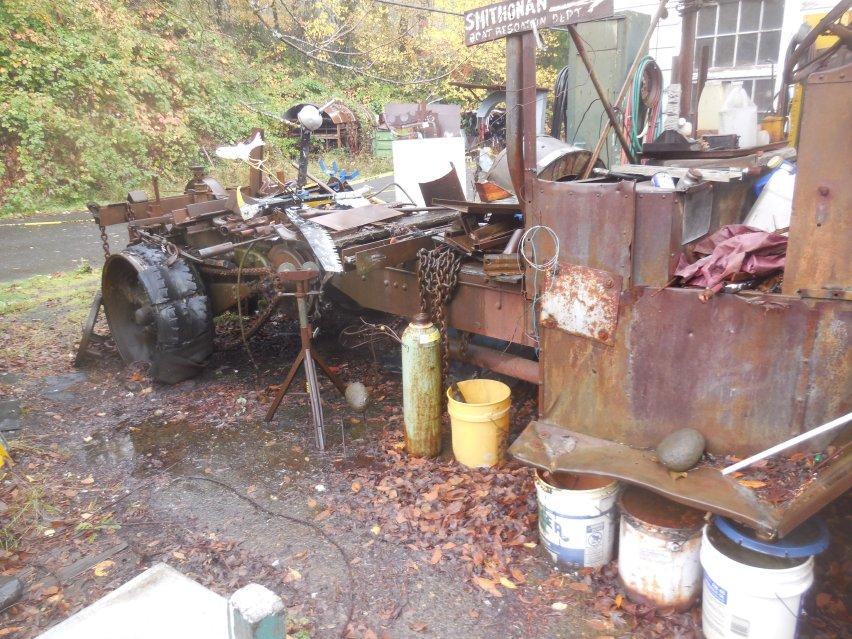
Hello all: We have a chance to acquire a well used Mack AC. It is rough but the engine is not stuck. It last ran in 1980. One rear tire needs new rubber. There are data plates on the seat riser that are not readable. How can we tell what capacity it has and how much it might weigh? Where can we get more information to see if this is a good fit for our vintage fleet before we pull the trigger? I believe that it hauled logs back in the day and has some local history. Any thoughts would be greatly appreciated!
-
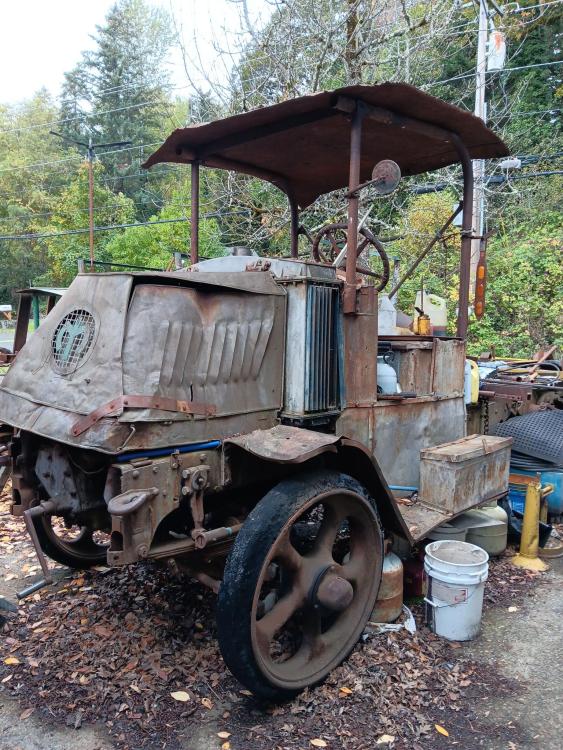
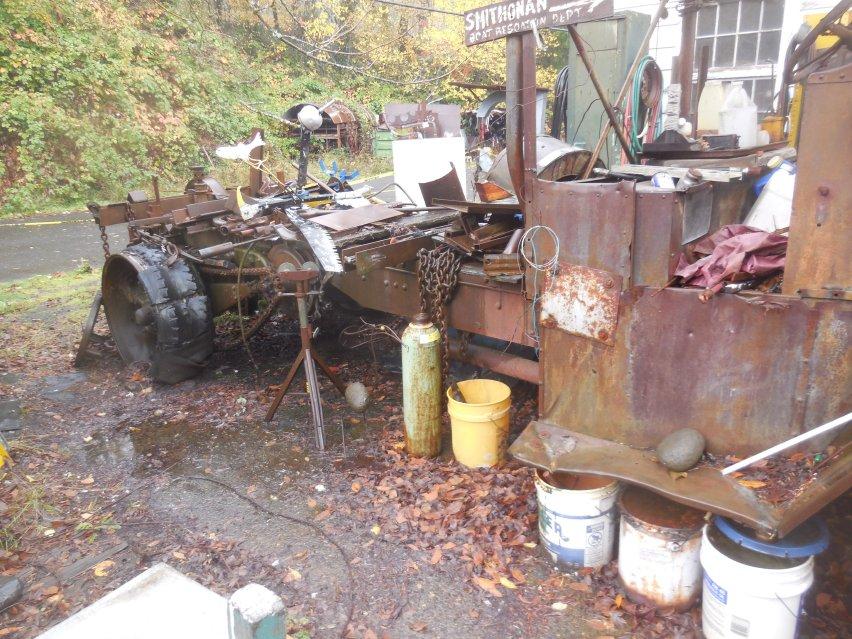
Mack AC help needed: We have a chance to acquire a very well used Mack AC that served as a log truck. It is not stuck and is fairly complete save for the cab but possibly did not have one. The engine is not stuck and supposedly ran in the 1980's. It has brass data plates on the seat riser that were not readable. It has solid rubber tires. How can we tell what rating it is and how heavy it might be? It looks fairly long. Any wisdom would be greatly appreciated!
-
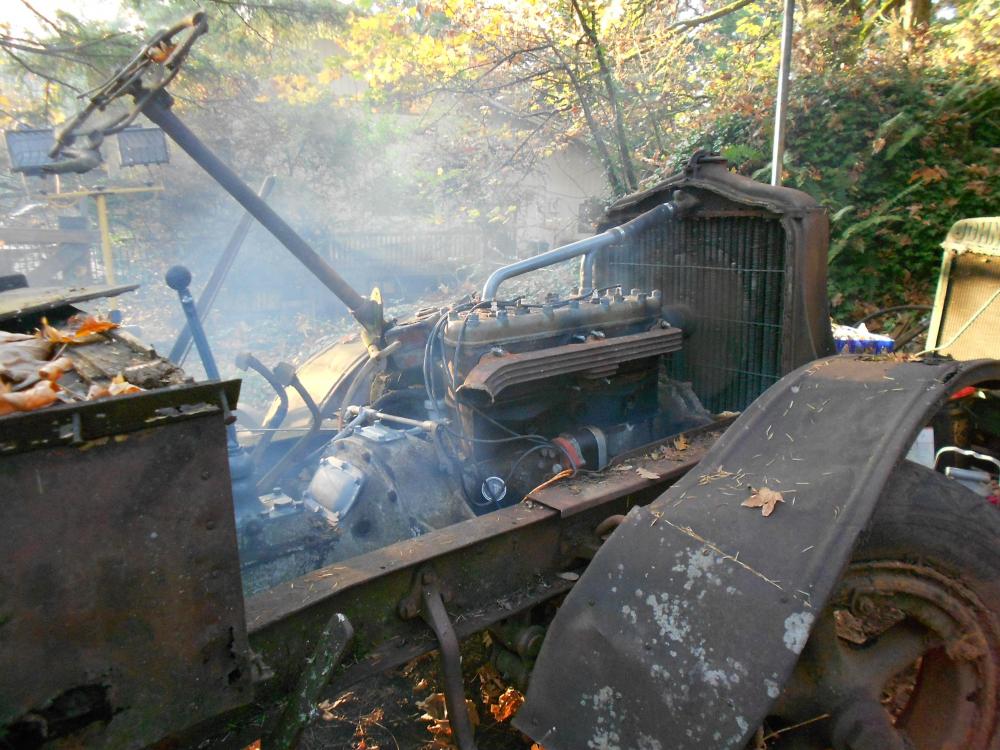
We are rebuilding the American Bosch ZR4 magneto for a White model 15. The mag arrived in pieces and is close to being reassembled. Does anyone in cyberland have a model 15 or know if the magneto is to turn clockwise or anticlockwise(when facing the drive end)? The truck came with one set up for anticlockwise and the second one looks like it is configured for clockwise. Our White model 45 magneto turns clockwise but uses a very different engine. Any thoughts would be greatly appreciated.


BMT Forum Logo